No Results Found
The page you requested could not be found. Try refining your search, or use the navigation above to locate the post.


 Estimated reading time: 8 minutes
You’ve written the book and had it edited and polished up. Now, comes the next step: making a book cover. If you’re not a professionally trained book cover designer, this can seem like an impossible task. How do you know just the right fonts to use? Where do you find the right images and graphics without infringing on copyright? How do you create a harmonious layout that will make your target audience want to pick up your book and read it?
Simple: you forgo DIY and hire a book cover designer.
But now the question: how do I hire a book cover designer? Stick around and we’ll tell you the ins-and-outs of how you can prepare for, research, decide on, and hire the right book cover designer for you.
Book covers are an integral part of any book, regardless of how you plan to distribute (globally or to friends, family, etc.). Hiring a book cover designer will ensure that your book looks professional and is up to the same standards as your competitors. This in turn will help increase your sales and heighten the credibility and authority of your author brand.
Everyone says not to judge a book by its cover, but that is the first thing a potential reader will do to your book. Your book cover is the first tool in your marketing arsenal, so you need to ensure you get it right. A potential reader will see your spine or front cover first before they decide if they’re interested or just put it back on the shelf. So, your cover is the first deciding factor on whether your book is purchased or not.
You want your book to stand out on the shelf and interest readers, but you also need it to look like it belongs there. This means that you book needs to adhere to the following:
Your cover needs to work for you, not against you. Therefore, hiring a professional book designer will help ensure your cover is piquing readers’ interests while adhering to genre and market conventions.
The cost of hiring a book cover designer can vary widely depending on several factors, such as:
Freelance book cover designers typically charge either by the hour or by the project. Hourly rates can range from $25 to $150 or more per hour. Project rates can range from a few hundred dollars to several thousand dollars.
Design agencies may charge higher rates than freelance designers, but they also offer a wider range of services and a team of designers. Prices for a book cover design vary but can reach up to $5,000 or more.
Getting a book cover designed through Green Hill is included in the publishing package for your entire publishing process. Have a look through our publishing package options to see if something fits your project and get in touch today to receive a tailored proposal.
It’s important to keep in mind that the cost of a book cover design should not be the only consideration when hiring a designer. It’s important to consider the designer’s level of experience, portfolio, and communication skills. A more expensive designer may produce a higher quality and more effective design. This in turn can help your book to stand out among the competition and generate more sales.
The copyright for a book cover is typically owned by the person or entity that created the cover design. This means if you hire a book cover designer, they will typically own the copyright to the cover design unless otherwise specified in a contract.
The rights for book covers designed by Green Hill are signed over to the author after the relevant project payments have been received. This means that you own the book design and can use it however you like. However, we do maintain the right to use the book covers to promote our business on our social media and other promotional graphics.
In many cases, book cover designers will grant the author limited usage rights. Often, this will allow the author to use the design for their book and related promotional materials (such as promotional graphics directly related to the book). However, the designer may retain the rights to the design. This means the author cannot alter the cover without the designer’s permission or sell merchandise featuring the design.
Sometimes, the designer may transfer the copyright to the author for a fee. Or the agreement may specify that the copyright will be shared between the designer and the author.
It’s important to get the agreement in writing and have a clear understanding of the arrangement before starting the project. A clear agreement can help avoid any misunderstandings and ensure that the project runs smoothly and successfully.
The first thing that you need to figure out before looking for any book cover designers is whether you want your book cover to be illustrated or to use stock imagery.
Stock image book covers are very common and can be designed to look unique to your book by creating a composite image or using image editing software. Green Hill Publishing book cover designers are skilled in using stock images and use this technique to create the majority of our book covers. To see our books, head over to our Australian Authors Store website.
Many stock image websites, such as Shutterstock, iStock, Getty Images, and Envato offer a wide variety of high-quality photos and graphics that can be used to create a book cover. Stock image book covers are very commonly used in fiction and non-fiction as it is very easy to source high-quality images in a range of different styles, themes, and subjects.
When hiring a book cover designer who using stock images, it’s important to convey the theme, genre, and your vision for the book succinctly and effectively to your designer. They will need to know:
If you can convey these things to your book cover designer, you will be able to get a book cover that you are happy with while cutting down on the time it takes, and the images that are purchased (all stock imagery used will need to be purchased individually, though for concepts the book cover designer can just use previews with watermarks).
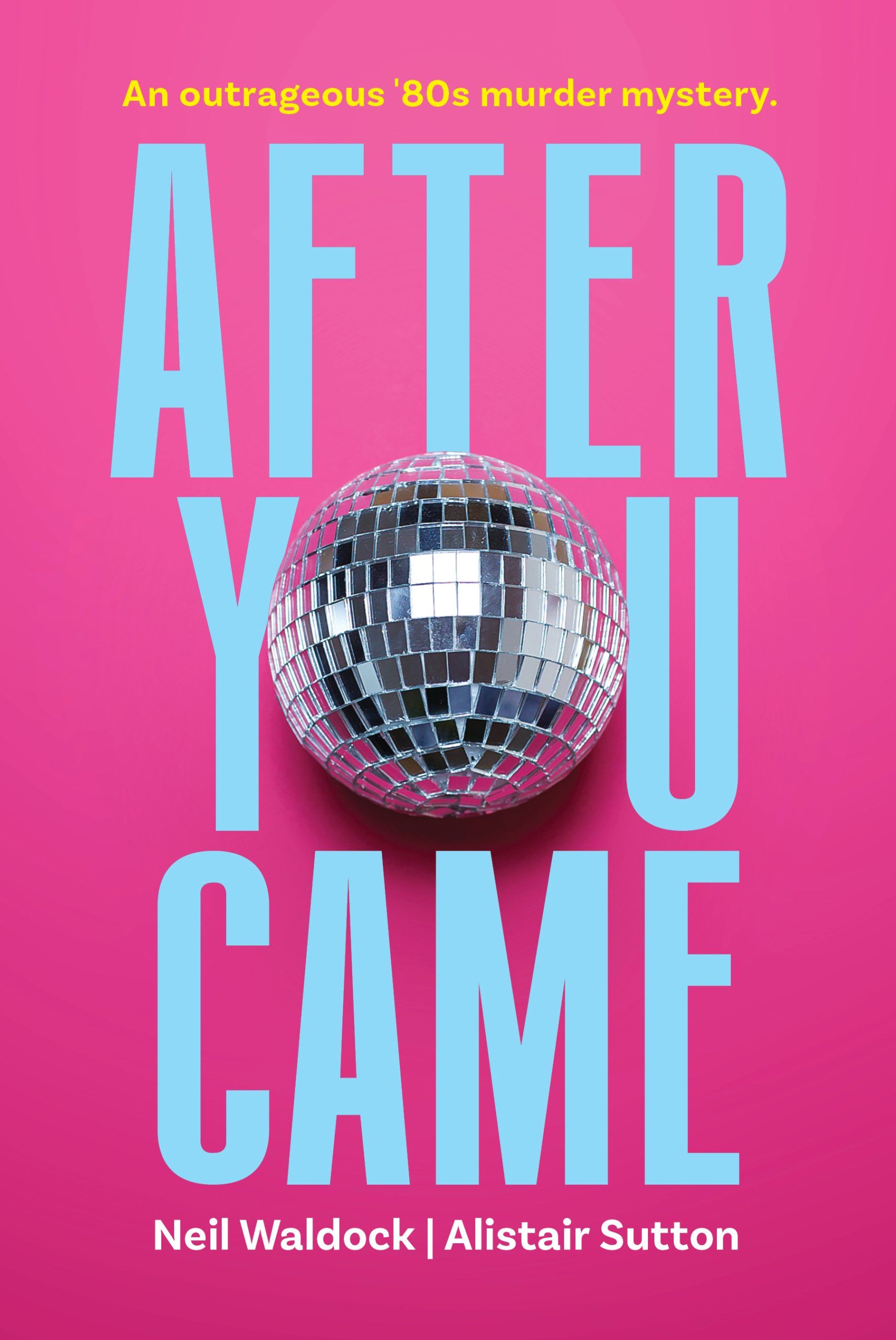
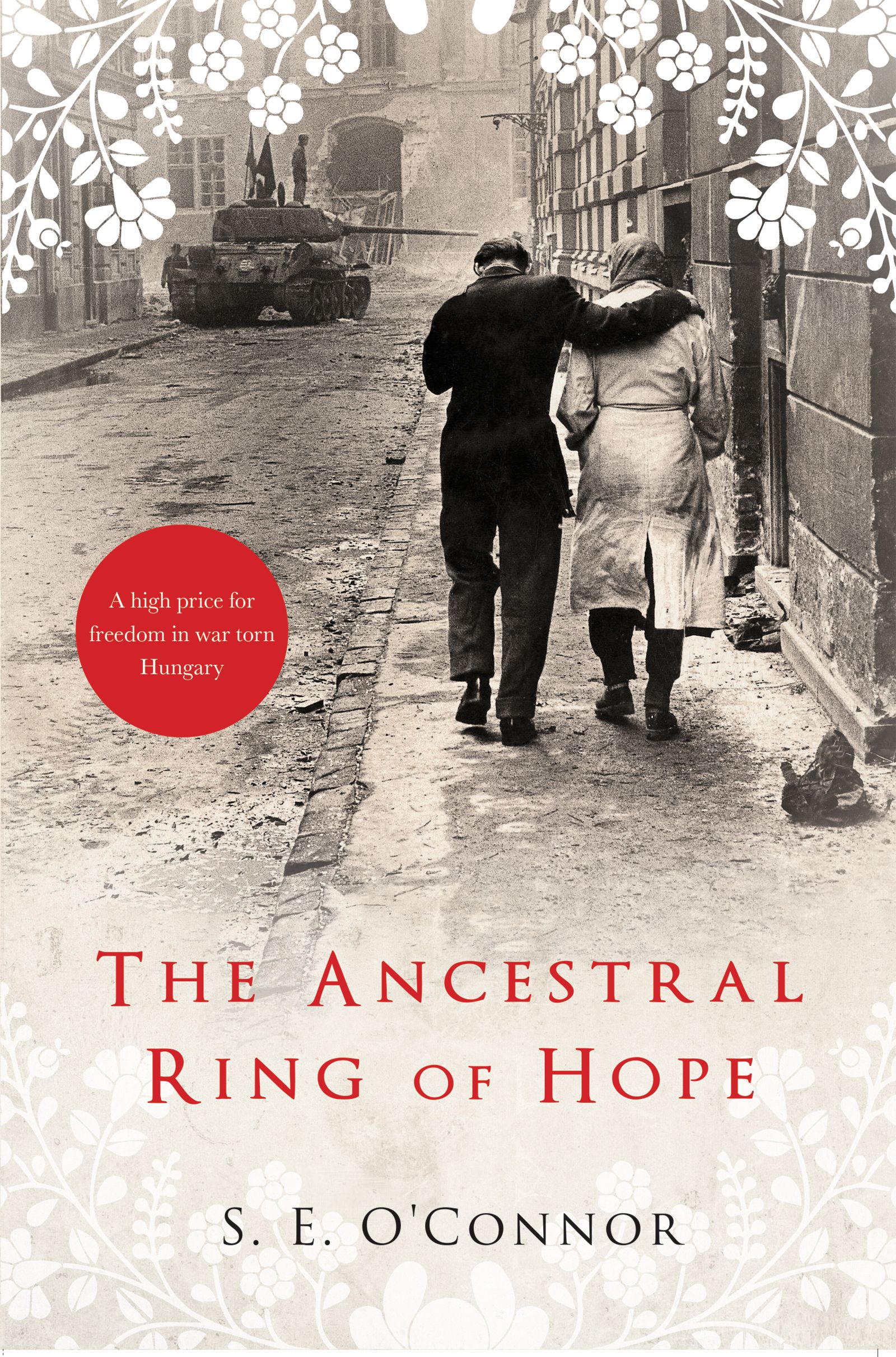

Illustrated book covers feature original artwork that is created specifically and uniquely for your book. The artwork can take many forms, such as hand-drawn illustrations or digital illustrations. They are a popular choice for children’s books, picture books, and graphic novels, but can also be used for other types of books such as fiction and non-fiction. An illustrated book cover can help to convey the tone and theme of the book and can also make the book visually appealing to potential readers.
When working with the illustrator, it’s important to provide feedback and make revisions as needed to ensure the final illustration meets your vision and expectations. Remember: be a big picture thinker; neither the illustrators patience nor your budget are endless, so make sure that you are only asking for alterations on the book cover when it is needed. Once the illustration is complete, you will receive the final files in a format that can be used for the book cover, such as a high-resolution JPEG or PNG.
Keep in mind that Illustrated book covers tend to be more expensive than stock image book covers as they require a longer timeline to create.
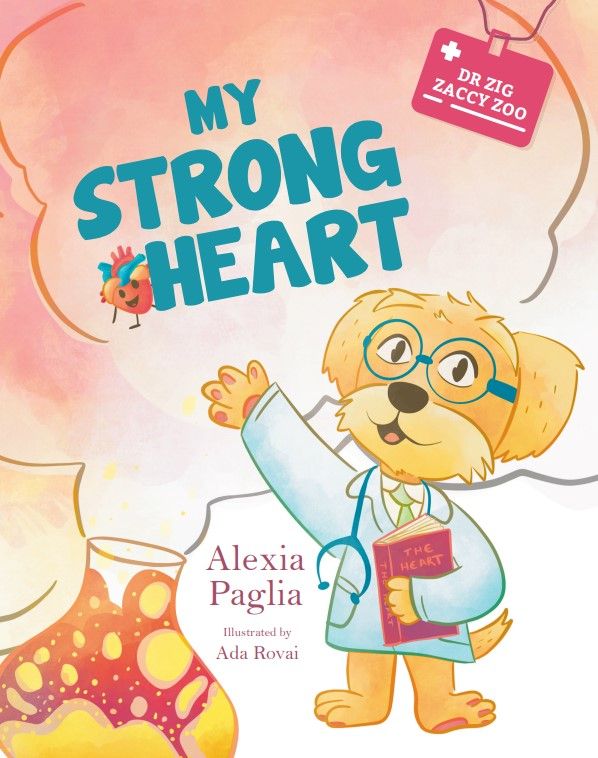

Whether you should get an illustrated book cover or a stock image book cover depends on your specific needs and goals for the book. Here are some factors to consider when making your decision:
Ultimately, the decision should be based on your budget, your timeline, your target audience, and also your own personal preferences. Do what is right for you and your book.
Green Hill Publishing specialises in bespoke book cover design. Our designers know the market and are skilled at working to a brief from the author. Head over to our Australian Authors Store website, or have a look at our publishing packages and see if we are the right solution for you!
If you’d like to shop around instead, there are many book cover designers out there who have very different styles, strengths, and weaknesses. Ask yourself a few questions before you start researching:
Start compiling book covers that fall into the same categories as inspiration and figure what you like the best. From here you can start to look for book cover designers who do the things that you like. Go to online marketplaces such as Upwork and Freelancer, or social media platforms like Behance and Dribbble and search for book cover designers who create covers you like. They will have portfolios of all of their work available to look at—be sure to save your favourites for later reference.
Look at their reviews and testimonials, too. Book cover designing is like any job, past clients will likely have left reviews of their professionalism, service, and artwork to help other potential clients feel confident in the book cover designer that they’ve chosen.
Once you’ve made a list of potential designers, go back through and narrow down a short-list. Now, you’re ready to start contacting.
The page you requested could not be found. Try refining your search, or use the navigation above to locate the post.
The page you requested could not be found. Try refining your search, or use the navigation above to locate the post.


Estimated reading time: 10 minutes
There are a few different kinds of printed books available for readers and one is the casebound book. What exactly is involved in the making of a casebound book and is there any benefit to it? Read through this post and find out.
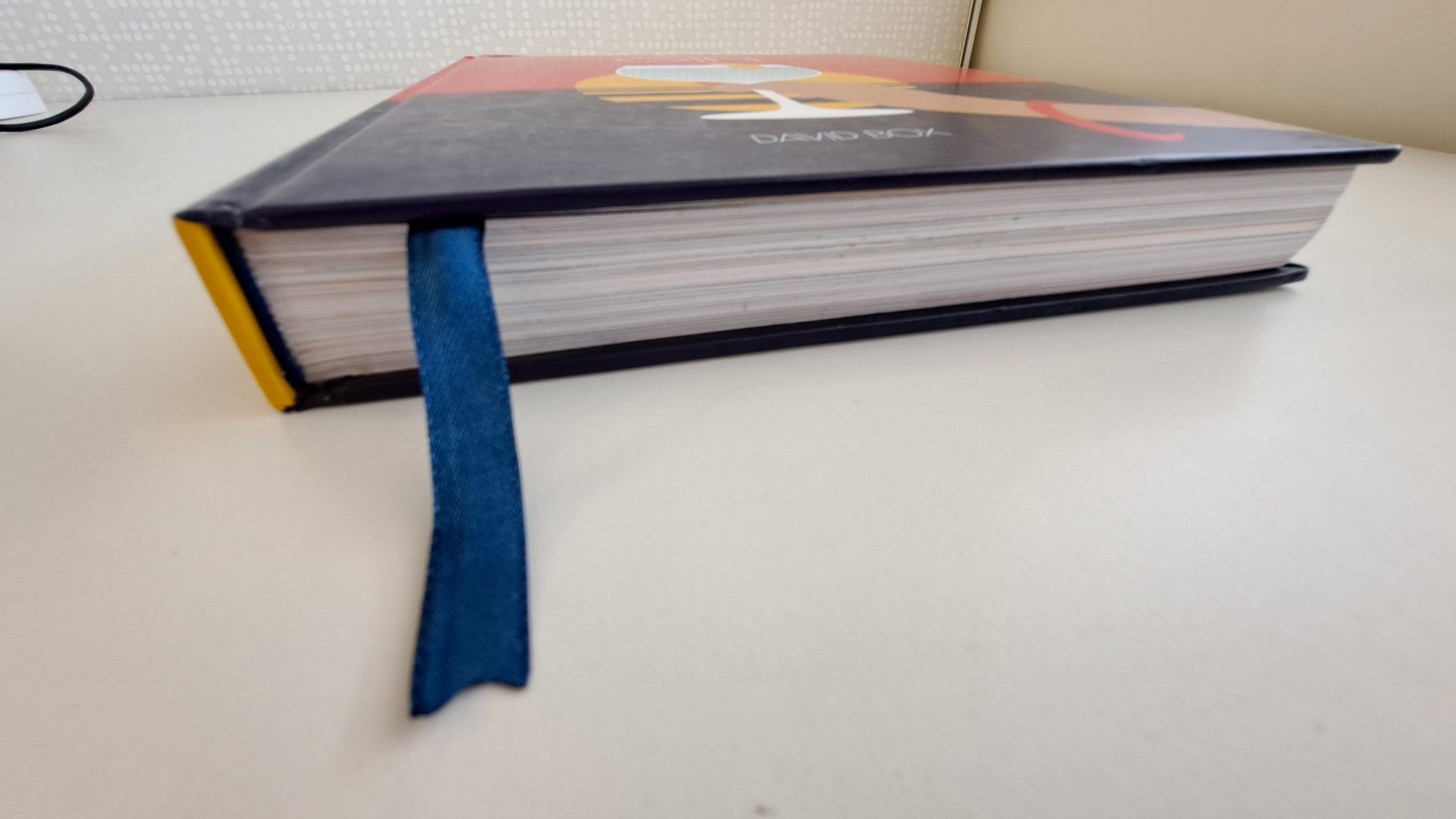
Casebound, often referred to as hardcover, is a very common format for a book to be made in. How to identify a casebound book is by its cover, which will be hard and sturdy. This differs from the other common format, paperback (or softcover), as they have soft and flexible covers.
Some casebound books also come with dust jackets, which are made from a higher GSM paper than the interior pages and feature the same cover design as its paperback version. In instances like this, the casebound cover would have a more simplified design or be left almost blank and only have detail on the spine.
In traditional publishing, books are often first released in a casebound version before they transition over to paperback.
Firstly, the book blocks are created. This begins with printing, then moves to guillotining, and then binding. The binding style can differ but is usually limited to one of the standard processes: section sewn or glued. Once bound, cloth spines are added and the book blocks are complete.
Next, the cases are made. The process depends on the style of case (paper- or material-covered), as they require different steps and machines to complete. For paper-covered casebound books, the covers are first printed and cut to shape, then glued to and folded around the three pieces of board (front, spine, and back), before the book blocks are glued in place. For material-covered casebound books, a dedicated machine is used to attach and wrap cloth/imitation cloth around the three pieces of board (front, spine, and back) before they are glued to the book blocks.
Casebound books (either material- or paper-covered) can include the following extras:
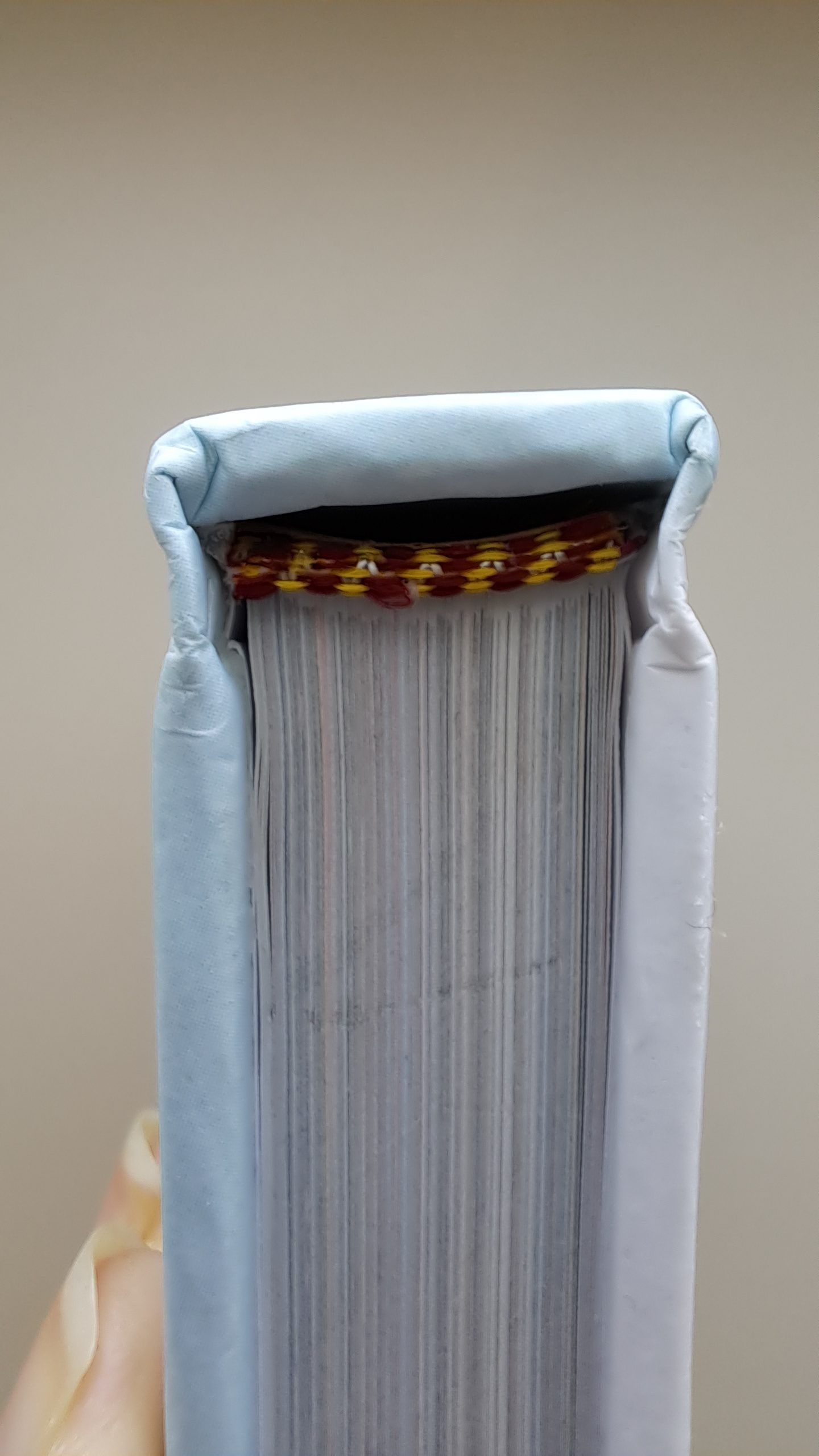
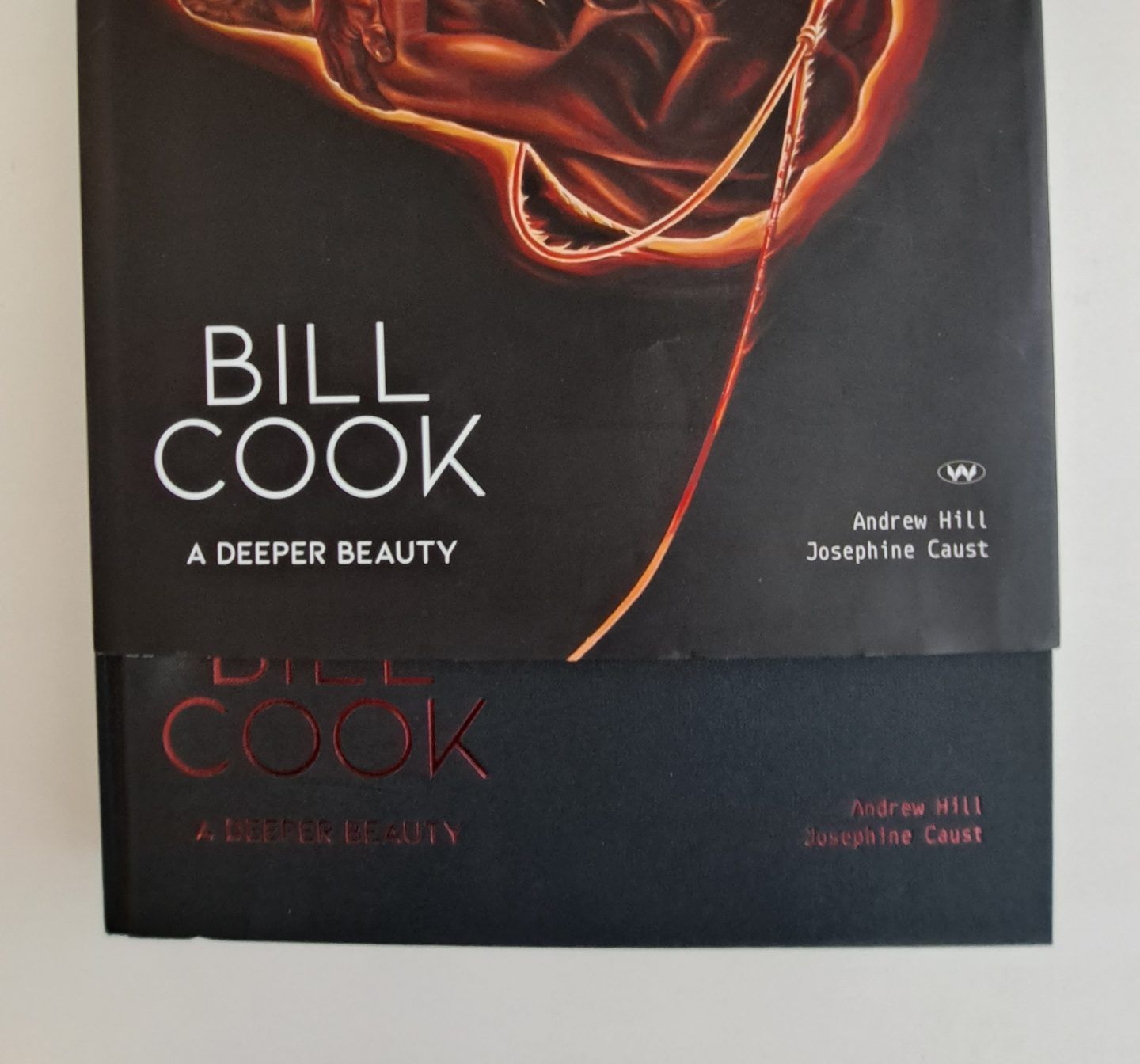
There are pros and cons to any book format. Casebound books have some great benefits over the other formats you could print your book in:
As with any book, casebound books do have their issues for readers and authors alike. It’s up to you to decide if the pros outweigh the cons:
Having a casebound version of a book is especially useful for publications that need to last a long time or have a high capacity for durability, but really any book can be casebound. It is very common for most genres of fiction and non-fiction to have a casebound version as traditional publishers release a casebound version of their books first to help maximise their profits.
If you are publishing your book traditionally, it’s likely that your book will have a casebound version as it is a standard procedure for these publishers. On the other hand, self-publishing authors need to be aware of the costs of printing casebound books and decided whether it is worth the cost (discussed a little later).
Otherwise, as a general rule, a book can be casebound if it has more than 30-80 pages. If your book doesn’t fit these specifications, check with your publisher or printer to see if your book is able to be casebound or have a think about other strategies, like making your book size smaller or adding more content.
As a general rule, paperback books sell more copies than casebound books. Paperback books are almost always cheaper for customers than their casebound counterpart and many readers prefer their lightweight nature. Casebound books, on the other hand, generally do not sell in as large of quantities, but they do generate higher returns on sale. This means that you don’t have to sell as many books to be profitable compared to paperback.
Many readers have their preferences for the kind of book format they like, and there are certainly a lot of them who will opt for a casebound book when given the decision.
The cost of any printing venture is highly personal and varies from project to project. This is because the cost of printing a book depends on many different variables, such as the quality of the print, the size of the book, and even the printer itself.
This includes embossing/debossing, foiling, spot-gloss, printed ends, and more. Applying one or more print finish will increase the cost of your book as it adds extra material and processes.


Certain types of binding are cheaper than others. Casebound books are more expensive than other binding types because the materials used in the production costs more to source. There are also additional processes undertaken by printers create casebound books.
The quality of the paper will dictate both how much the paper costs (higher quality = higher cost and vice versa), but it can also have an impact on freight costs as higher GSM paper is thicker and therefore weighs more.
Books with a smaller page count require less paper and are lighter, meaning they cost less both in the printing process and when it comes to freight.
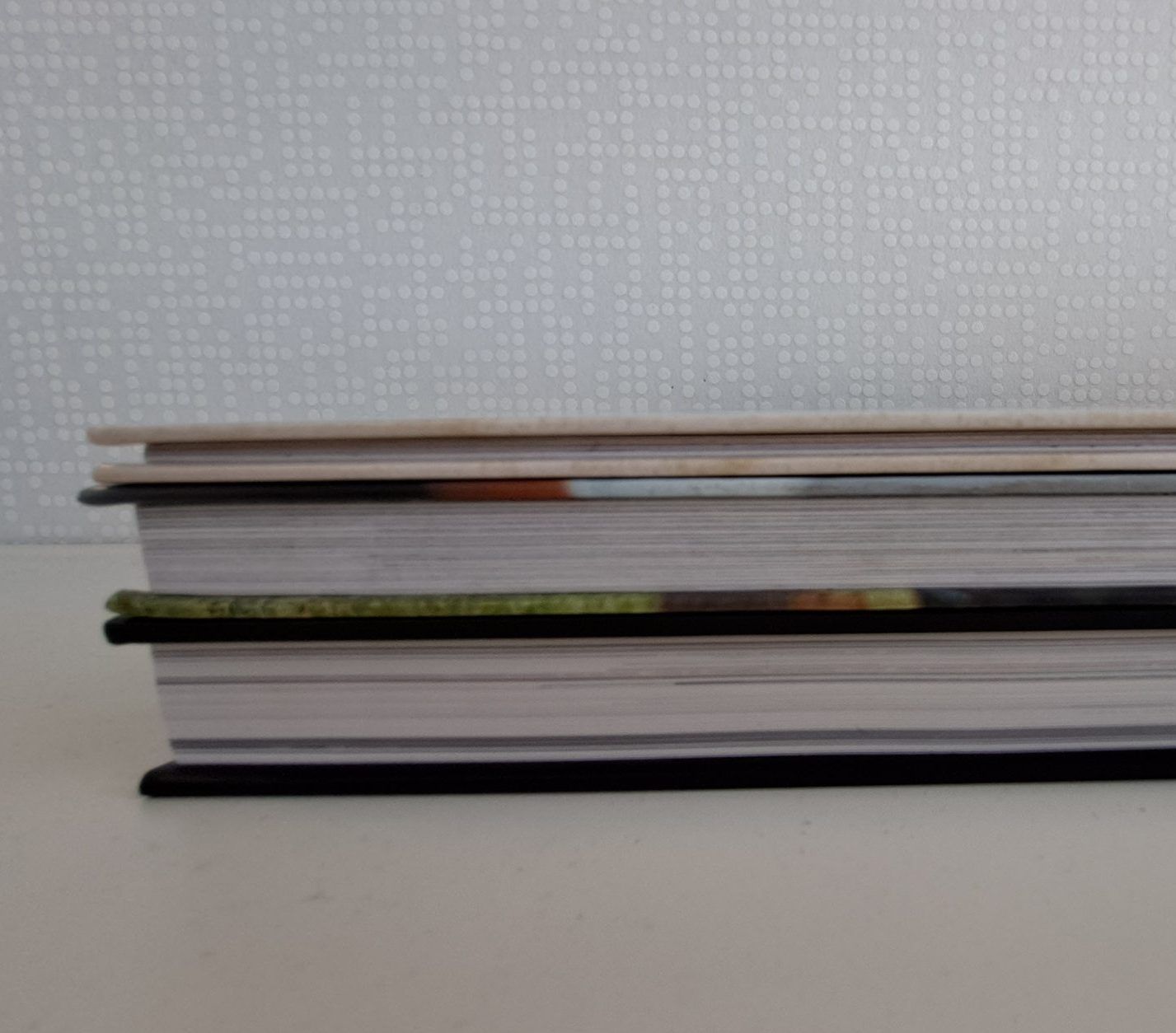
No two printers will give you identical quotes for a print run. This is because printers differ in factory (capacity) size, stock type and availability, and profit margins.
The location of a printer factors into the cost of printing for a few different reasons. Often, printing in countries like China will mean a cheaper price, but you’ll have to print in bulk and then pay for freight, which can also be quote costly. For our Australian authors, printing locally in Australia can cost more per book, but freight is often more affordable, and smaller print runs are available from most printers.
Organising a large (or bulk) print run will make the cost of printing a book cheaper per unit than they would be on a small print run. Choosing to print in bulk, however, means committing to a greater up-front cost.
The page you requested could not be found. Try refining your search, or use the navigation above to locate the post.
The page you requested could not be found. Try refining your search, or use the navigation above to locate the post.

Estimated reading time: 5 minutes
Practically every book will have at least one error, and many will have even more. Books can go through numerous rounds of edits before they’re printed and readers will still pick up on something that is incorrect. Why is this?
The process of accepting and rejecting edits in a manuscript can introduce errors into the manuscript that weren’t already there.
We find that one of the best practices authors can do after receiving their edited manuscript is to save two versions and globally accept all changes in one version. This ensures that there are no introduced errors in that manuscript, but that you can also return to the manuscript with the edits shown and see the choices that the editor has made.
You might be familiar with the proofing tip of printing out your book and reading it on paper to catch any mistakes you may be overlooking when reading it on a screen. But why does this work?
The difference between reading on a screen and off physical paper can be explained through some recent research into the matter. Reading on a screen can certainly improve some aspects of your reading, including speed and skimming, but these aren’t always conducive to picking up on errors. When reading print, however, studies show that reading comprehension and retention are increased in comparison, which makes for a much better environment for seeing and fixing errors.
This in turn means that, while you and many others have read your book while in the manuscript phase, there can be certain errors that are skimmed over because they are being read on a screen. When your book has been printed, however, these errors come out of hiding and can often be glaringly obvious.
Another reason for errors being missed in earlier stages of the book’s production is that it has yet to go through the process of typesetting. Typesetting deals with the interior layout of a book, including the following:
Each of these things, when done correctly, work to increase the readability of a book so that the experience of reading is as a smooth and enjoyable as possible. In layman’s terms, after you book has been typeset and the experience of reading has been made easier, its errors will also easier to find.
While they are professionals in their respective fields, experienced authors and editors are still human. It is virtually impossible to pick up on every error in any aspect of life—including errors in a book (and likely in this very blog post!).
This is especially true for those who have read the book multiple times. When you know the book inside and out, you can anticipate what’s to come and are more likely to skip over errors simply because your brain has already filled out what it wants to read, not what it is actually seeing.
The page you requested could not be found. Try refining your search, or use the navigation above to locate the post.
The page you requested could not be found. Try refining your search, or use the navigation above to locate the post.