No Results Found
The page you requested could not be found. Try refining your search, or use the navigation above to locate the post.


 Estimated reading time: 5 minutes
Green Hill is always working to bring our authors the latest opportunities with affordable pricing. Historically, childrens board books were not something we offered as they simply weren’t viable for our authors—but this has changed.
Board books are a sturdy book and are typically produced young audiences of around 0 – 5 years of age. They’re made to be durable and better withstand rough handling, sticky fingers, and anything else that a toddler may subject to them. Board books differ from other types of books because their interior pages are made with a hard board material instead of the typical paper pages that are found in standard paperbacks and casebound books.
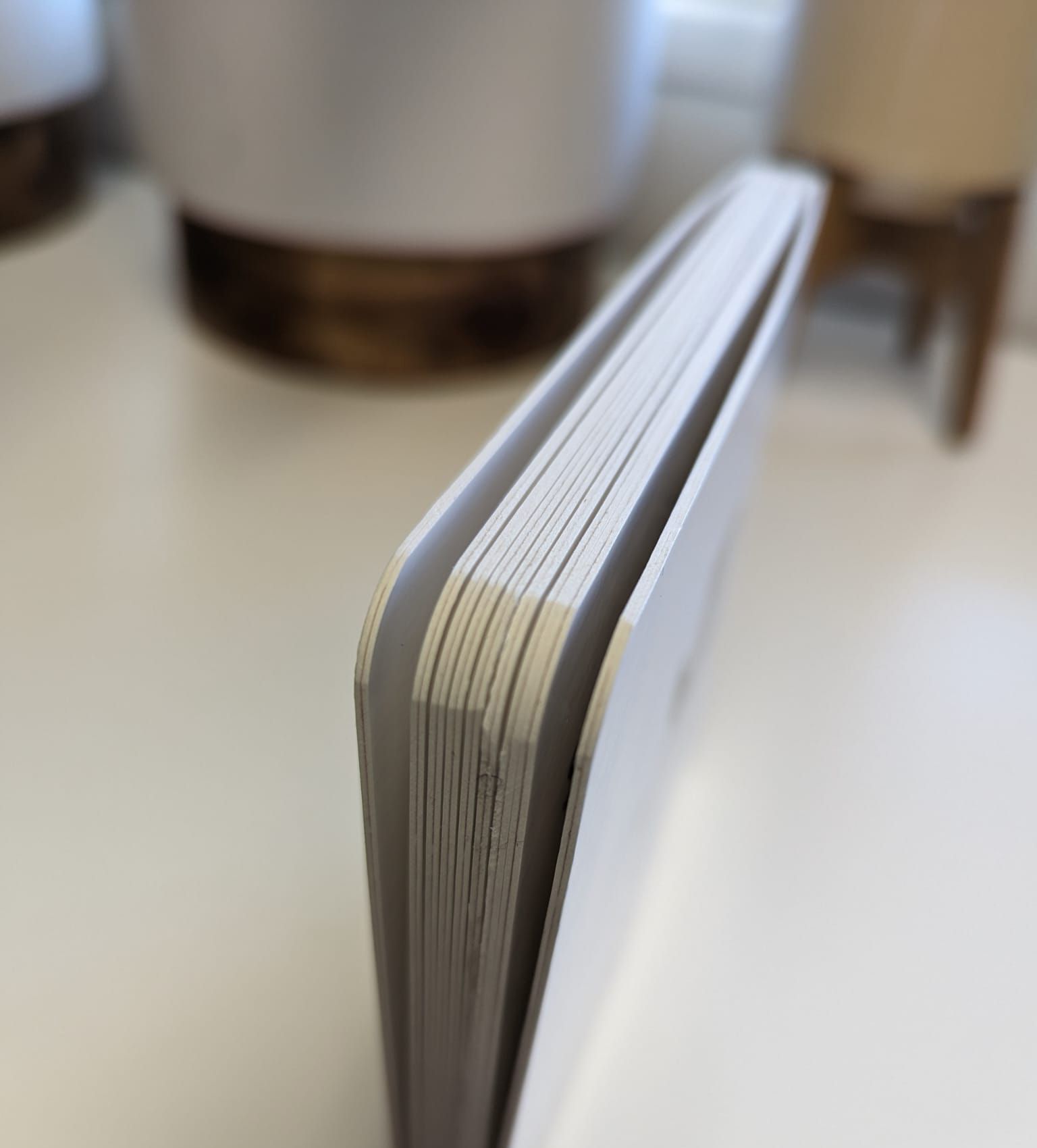
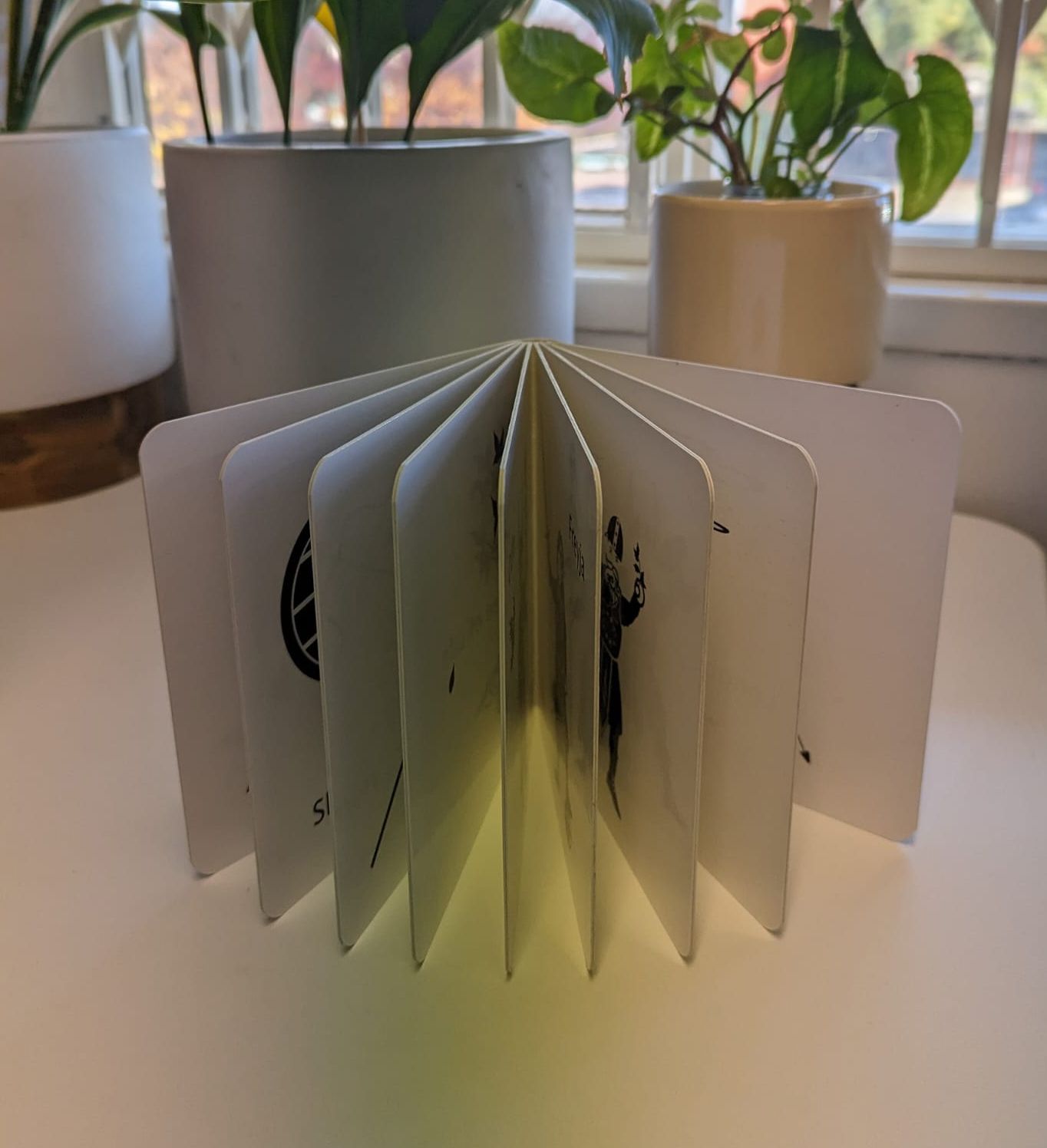

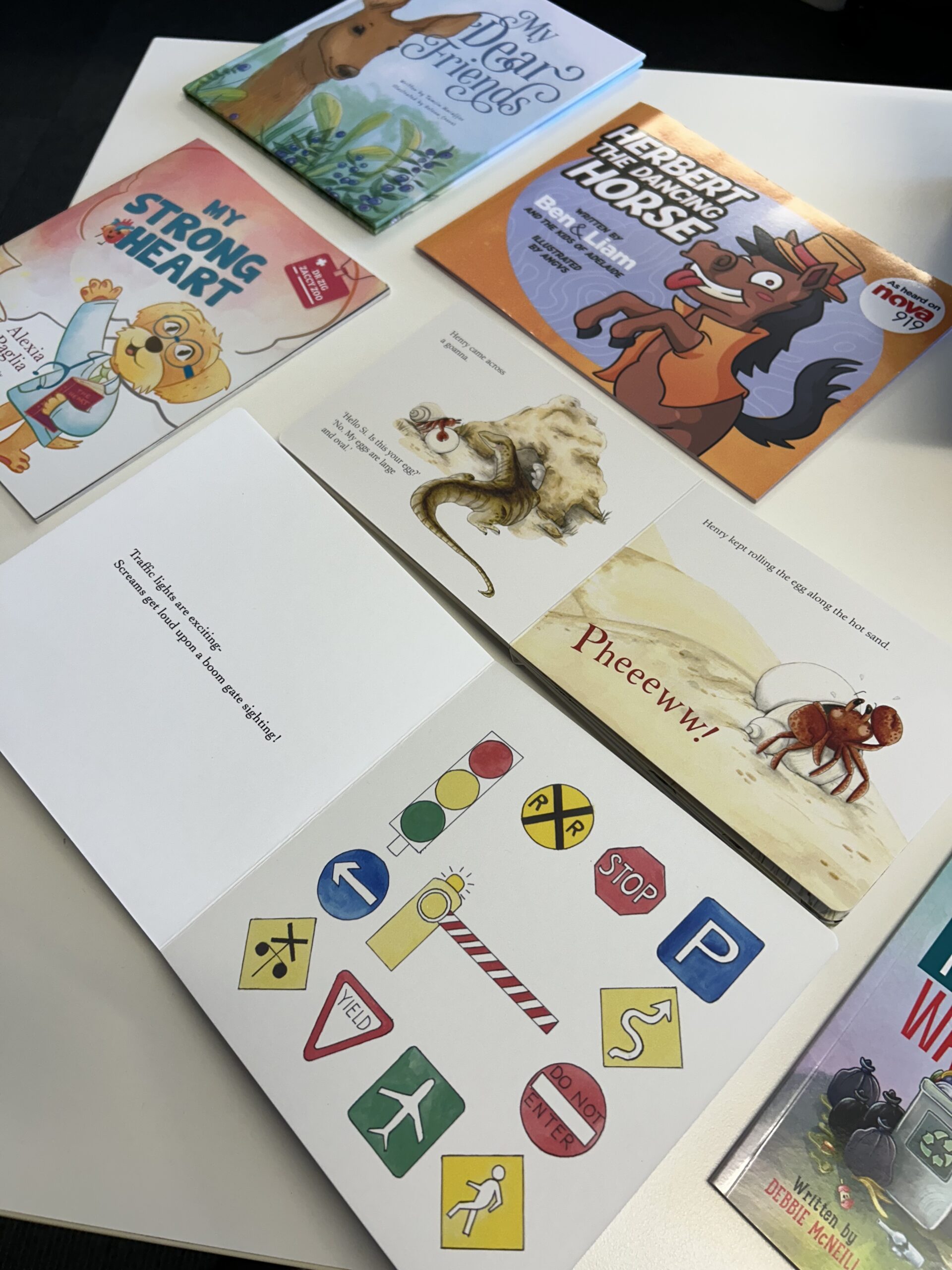
An obvious benefit to printing your childrens book as a board book is that they are longer lasting. This means that they have the capacity to be handed down through siblings and families, allowing your book to touch the lives of many little readers.
However, there are also numerous childhood benefits to producing your childrens book as a board book. It has been shown that young children benefit from the ability to interact with their books, and while they may be too rough to handle a standard paper-paged book, they can handle a board book much easier. Reading board books with toddlers is beneficial for parent-child bonding, building mental connections, and developing fine motor skills.
Recently, printing a childrens board book was not a viable option for our self-published childrens book authors; it required printing in bulk of 1,000+ copies at overseas printing companies.
Well, no more! Green Hill Publishing has found the solution.
Our childrens book authors wanting to print their books as board books can now enjoy a short-run printing option just like any other author printing paperback books. This newly available technology allows authors to print very short print runs of their books and still maintain an affordable price! We recommend beginning with runs of 200 – 500 copies of your book.
The page you requested could not be found. Try refining your search, or use the navigation above to locate the post.
The page you requested could not be found. Try refining your search, or use the navigation above to locate the post.

Estimated reading time: 7 minutes
This is the second and final part of the blog series that goes into the common jargon used by publishing professionals. It will help you to quickly understand what your publisher or literary agent is talking about.
Net sales |
The overall revenue publishers earn from the sales of a book after taking into account any sale discounts and returns. |
Offset printing |
A high-quality and efficient way of printing large quantities of books using plates that transfer ink onto that paper. |
Open submission |
The ongoing call for writers to submit their manuscripts unsolicited to publishers or literary agents. |
Out-of-print |
Used to describe a book that is has stopped being printed and restocked for sale online and in bookstores. |
Pen name / Pseudonym |
The name an author choses to use on thier book instead of their real name to remain anonymous or establish a particular brand separate from others. |
Print advertising |
A kind of advertising found in print publications including magazines and newspapers. |
Print on consignment |
The method of small-inventory book distribution where retailers stock only a few copies of a book and order more as needed. |
Print proof |
A printed copy of a book used to check for errors and product quality that is not evident in the digital files of a book. Typically reviewed by publishers and authors. |
Print quote |
The estimated cost of printing a book based on the book’s specifications and desired quantity. |
Print run |
The number of printed copies of a book in a singular, isolated production cycle. |
Print-on-demand (POD) |
The method of printing a book when a purchase is made and not keeping physical inventory of the book. |
Print-ready files |
Digital files of a book that have been quality checked to meet industry standards and are now ready to be printed, distributed, and read. |
Proofreading |
The kind of editing that usually takes place just before publication. It is focused on catching errors and inconsistencies that have been missed. |
Public domain |
Applies to works that no longer meet the requirements of copyright and can now be used and distributed freely. |
Remaindered |
The sale of excess copies of printed books at a discounted rate. |
Royalty statement |
A document that an author receives from their publisher detailing the sales and overall royalty payment earned from book sales. |
Royalty / Royalties |
The percentage that the author receives from the sales of their book, paid to the author by the publisher. |
Sales territory |
The geographical region in which a sales representative or distributor is responsible for promoting and selling their assigned books. |
Serial rights |
The rights to a book that is published in instalments, including in newspapers or magazines. |
Simultaneous submissions |
When an author has submitted their manuscript (published or unpublished) to more than one literary agent or traditional publisher at the same time. |
Slush pile |
The term for the collection of unsolicited manuscripts received by a literary agent or traditional publisher. |
Submission guidelines |
A set of instructions given to authors by a publisher or literary agent to assist in the proper submission of their manuscript. |
Subsidiary rights |
The rights licensed to other companies or organisations for additional publication or adaptation of a book, including film or TV rights. |
Trade book |
A book that is intended to be read by a general audience and does not contain specialised or academic content. |
Trade discount |
A discount that is given to bookstores and online retailers who purchase books in large quanitities. |
Trade paperback |
A paperback book that is printed in a larger-format than standard. This is often used for non-fiction and literary titles. |
Trade sales |
When a book is sold to bookstores and online retailers, as opposed to being sold to readers. |
Translation rights |
The rights to translate a book into alternate languages for the purpose of publication and distribution in other countries. |
Typesetting |
The process of designing and laying-out the text and images on a book’s interior pages. |
Unbound manuscript |
Refers to a completed manuscript that has yet to be bound into a book. They can be physical, loose-leaf copies or digital files. |
University press |
A publishing house that is directly associated with a university and specialises in printing academic titles. |
Unsolicited manuscript |
An unrequested manuscript that is submitted by an writer to a traditional publisher or literary agent. |
Vanity press |
A publisher that charges authors for publishing services, rather than paying authors for their work. |
WIP |
Work in progress (WIP) that can refer to a manuscript or project that is yet to be finished. |
Wholesaler |
A company that buys large quantities of books from publishers and then goes on to sell them to retailers and other official buyers. |
White space |
The blank space around the text and images in a book. Often used to help with the visual appeal and readability of the book. |
The page you requested could not be found. Try refining your search, or use the navigation above to locate the post.
The page you requested could not be found. Try refining your search, or use the navigation above to locate the post.
This is the first part of a two-part blog series that goes into the common jargon used by publishing professionals. It will help you to quickly understand what your publisher or literary agent is talking about.
Advance reading copy (ARC) |
A copy of a book that is sent out to reviewers, booksellers, and other professionals in the industry for promotion. |
Advance |
A lump-sum paid by the publisher to the author before the book is published, often against book royalties of future sales. |
Anthology |
A compilation of short stories, poems, or essays written by multiple authors. There is usually a focus on a particular genre or theme. |
Author platform |
An author’s presence on online platforms. This includes social media profiles, email newsletters, and author websites. |
Back matter |
The final pages of a book after the main content has ended. This includes an index, glossary, bibliography, Acknowledgements, and etc. |
Backlist |
The previously published works of a single author that remain in print and can be purchased by customers. |
Blurb |
A short but engaging description of a book typically located on the back cover. |
Copyediting |
A kind of book editing that is focused on correcting grammar, spelling, and punctuation errors, but also continuity issues and flaws in plot, characterisation, and more. |
Copyright |
Legal protection that prevents the copying or reproduction of creative works without the creators express permission. |
Developmental editing |
A kind of editing that is focused on improving flaws in a manuscript’s structure and content. |
Digital advertising |
Using digital platforms, including social media, email newsletters, and websites, to advertise books. |
Digital publishing |
Publishing a book in a digital format instead of print. These digital formats include eBooks and audiobooks. |
Distribution channels |
The locations where books are available to readers. This includes online retailers, bookstores, and libraries. |
Distribution |
The way in which books go from the publisher to retailers to readers. |
DRM |
Digital Rights Management (DRM) is software that protects digital books against unauthorised copying and distribution. |
EBook conversion |
The process of turning a print-ready book or a basic manuscript into an eBook. |
EBook distribution |
Getting eBooks into to online retailers and libraries. |
EBook reader |
A device or software that allows its users to access and read eBooks. |
Editing |
The broad term for the process of reviewing, revising, and improving written manuscripts to prepare them for publication. |
Endorsement |
A statement written by a reputable and relevant author or expert that supports and recommends the book to readers. |
Front matter |
The pages at the beginning of a book before the main content, including the title page, half title page, copyright page, dedication, contents page, and more. |
Grant |
Funding rewarded to authors intending to financially support promising writers while they focus on completing their writing ventures. |
Hybrid publishing |
A kind of publishing service which is a combination of aspects from both traditional publishing and self-publishing. |
Imprint |
A specialised area of a larger publishing company that is focused on a particular subject, target audience, or genre. |
Independent publisher |
A publisher that is separate from a larger corporation, conglomerate, or publishing house. |
ISBN |
International Standard Book Number (ISBN) are unique identification numbers which are assigned to each edition of a published book, allowing for tracking and effective cataloguing. |
ISMN |
International Standard Music Numbers (ISMN) are niche identification numbers specifically dedicated to the music industry. |
Keywords |
The specific words and short phrases that are used to describe a book’s content and topic. They are often used to boost Search Engine Optimisation (SEO) and online marketing efforts. |
Library market |
Selling books to libraries and other similar institutions. |
Line editing |
A kind of editing that works to improve the style and language of a manuscript. |
Literary agent |
An industry professional who will represent an author when negotiating publishing contracts and other deals with publishers. |
Manuscript evaluation |
The assessment of the strengths and weaknesses of a manuscript, often undertaken by either editors or writing coaches. |
Manuscript format |
The custom guidelines from a publisher to assist the author in correctly formatting their manuscript. This includes the correct font, spacing, margins, and more. |
Manuscript |
A hand-written or typed work that is yet to be published as a book. |
Metadata |
Detailed information about a specific book, such as the title, subtitle, author name, and synopsis. It is used to increase searchability of the book online. |
The page you requested could not be found. Try refining your search, or use the navigation above to locate the post.
The page you requested could not be found. Try refining your search, or use the navigation above to locate the post.