No Results Found
The page you requested could not be found. Try refining your search, or use the navigation above to locate the post.


 Estimated reading time: 8 minutes
Organising and running your book launch is certainly an exciting and important step in your publishing journey. Aside from planning the drinks and nibbles and which excerpt of your book to read, there are other even more important things to do in preparing for your launch.
Book launches are an excellent time to sell copies of your book to a captivated audience. Whether that audience is friends, family, and colleagues or a community who have heard about you and are interested in your work, a number of people will be buying your book and likely even wanting signed copies. This can’t happen if your books aren’t ordered in time.
We understand how exciting it is to organise and announce your launch, but doing so before you actually have a concrete timeline is a big factor in a book launch failure. The very first thing you need to do before you, even before researching venues, setting your date, and organise your guest list is to order your books.
Another reason to get your books early is to check for printing errors. There’s only one thing worse than having no books at your launch—having books that you’re not happy with.
When thinking about venues, it’s good to outline your budget, decide whether you want a public or private book launch, and figure out how many people you could be expecting.
Depending on the kind of book you’ve written and what you’re personally comfortable with, you could be looking at a gathering of family, friends, and colleagues, or you might want to open your launch up to the public. This will greatly effect the venue you choose and what your budget will need to include.
Some great locations can be:
Some venues may have the catering included within hiring costs, but others may not offer this. Having a few different platters and some drink options for your guests to graze on is always a good idea and can also be an enticing part of your promotions.
How will you know who is coming to your launch? The best way to keep track of that is to have your attendee’s book tickets. You could DIY this through a contact form and have a list at the door, or you could use services (like Eventbrite) which let you set caps on the number of tickets available, see the details of ticket buyers, and even have dedicated apps for scanning tickets upon guest arrival.
Using your library, local cafés, and other community hubs to get the word out there and promote your book launch can help generate interest and increase your attendees. Make some flyers and include a way to buy tickets to make it easier for those interested to RSVP.
If you’re unsure of how to put together an effective flyer, our designers and marketing professionals at Green Hill can help with that.
Promoting your launch through your social media is a great way to spread the word and even gain readers before your “launch”. Use your author accounts and even take advantage of your local community and writers’ pages and post about the details of your book launch.
If making the content for your social media posts is a daunting task, our designers and marketing professionals at Green Hill can help!
If you have an author website, it’s a great idea to use it to promote your book launch. You can have links to book tickets, a map for the location, even a pre-ordering system for interested readers to purchase your book from you in preparation for the event. If you have a subscription newsletter linked to your website as well, use it to get the word out to readers who are already on it.
A smooth book launch is what we all aim for, and the best way to do this is to practice. Prepare an outline for the order of events, write a speech, and read and reread your chosen excerpt.
You could even have some of your trusted friends and family sit for a dress-rehearsal of sorts and get them to ask you questions about your book, yourself, and your writing processes to prepare your answers in case someone were to ask you questions at your launch.
I know what we covered this in the first point, but it really is one of the most important things to get right. While your audience will be there to see you, the author, they’re also there to see your book. We always recommend scheduling your shipment of books to arrive at least a couple of weeks before your event.
Save yourself the stress of waiting on your order to arrive and make sure to organise your books to be printed and delivered well in advance.
At the end of the day, this is all happening because you’ve published a book. That’s exciting and certainly something worth celebrating. Make the most of your launch and mingle with your readers and everyone else who is there because of you and your book.
The page you requested could not be found. Try refining your search, or use the navigation above to locate the post.
The page you requested could not be found. Try refining your search, or use the navigation above to locate the post.


Estimated reading time: 8 minutes
You’ve written the book and had it edited and polished up. Now, comes the next step: making a book cover. If you’re not a professionally trained book cover designer, this can seem like an impossible task. How do you know just the right fonts to use? Where do you find the right images and graphics without infringing on copyright? How do you create a harmonious layout that will make your target audience want to pick up your book and read it?
Simple: you forgo DIY and hire a book cover designer.
But now the question: how do I hire a book cover designer? Stick around and we’ll tell you the ins-and-outs of how you can prepare for, research, decide on, and hire the right book cover designer for you.
Book covers are an integral part of any book, regardless of how you plan to distribute (globally or to friends, family, etc.). Hiring a book cover designer will ensure that your book looks professional and is up to the same standards as your competitors. This in turn will help increase your sales and heighten the credibility and authority of your author brand.
Everyone says not to judge a book by its cover, but that is the first thing a potential reader will do to your book. Your book cover is the first tool in your marketing arsenal, so you need to ensure you get it right. A potential reader will see your spine or front cover first before they decide if they’re interested or just put it back on the shelf. So, your cover is the first deciding factor on whether your book is purchased or not.
You want your book to stand out on the shelf and interest readers, but you also need it to look like it belongs there. This means that you book needs to adhere to the following:
Your cover needs to work for you, not against you. Therefore, hiring a professional book designer will help ensure your cover is piquing readers’ interests while adhering to genre and market conventions.
The cost of hiring a book cover designer can vary widely depending on several factors, such as:
Freelance book cover designers typically charge either by the hour or by the project. Hourly rates can range from $25 to $150 or more per hour. Project rates can range from a few hundred dollars to several thousand dollars.
Design agencies may charge higher rates than freelance designers, but they also offer a wider range of services and a team of designers. Prices for a book cover design vary but can reach up to $5,000 or more.
Getting a book cover designed through Green Hill is included in the publishing package for your entire publishing process. Have a look through our publishing package options to see if something fits your project and get in touch today to receive a tailored proposal.
It’s important to keep in mind that the cost of a book cover design should not be the only consideration when hiring a designer. It’s important to consider the designer’s level of experience, portfolio, and communication skills. A more expensive designer may produce a higher quality and more effective design. This in turn can help your book to stand out among the competition and generate more sales.
The copyright for a book cover is typically owned by the person or entity that created the cover design. This means if you hire a book cover designer, they will typically own the copyright to the cover design unless otherwise specified in a contract.
The rights for book covers designed by Green Hill are signed over to the author after the relevant project payments have been received. This means that you own the book design and can use it however you like. However, we do maintain the right to use the book covers to promote our business on our social media and other promotional graphics.
In many cases, book cover designers will grant the author limited usage rights. Often, this will allow the author to use the design for their book and related promotional materials (such as promotional graphics directly related to the book). However, the designer may retain the rights to the design. This means the author cannot alter the cover without the designer’s permission or sell merchandise featuring the design.
Sometimes, the designer may transfer the copyright to the author for a fee. Or the agreement may specify that the copyright will be shared between the designer and the author.
It’s important to get the agreement in writing and have a clear understanding of the arrangement before starting the project. A clear agreement can help avoid any misunderstandings and ensure that the project runs smoothly and successfully.
The first thing that you need to figure out before looking for any book cover designers is whether you want your book cover to be illustrated or to use stock imagery.
Stock image book covers are very common and can be designed to look unique to your book by creating a composite image or using image editing software. Green Hill Publishing book cover designers are skilled in using stock images and use this technique to create the majority of our book covers. To see our books, head over to our Australian Authors Store website.
Many stock image websites, such as Shutterstock, iStock, Getty Images, and Envato offer a wide variety of high-quality photos and graphics that can be used to create a book cover. Stock image book covers are very commonly used in fiction and non-fiction as it is very easy to source high-quality images in a range of different styles, themes, and subjects.
When hiring a book cover designer who using stock images, it’s important to convey the theme, genre, and your vision for the book succinctly and effectively to your designer. They will need to know:
If you can convey these things to your book cover designer, you will be able to get a book cover that you are happy with while cutting down on the time it takes, and the images that are purchased (all stock imagery used will need to be purchased individually, though for concepts the book cover designer can just use previews with watermarks).
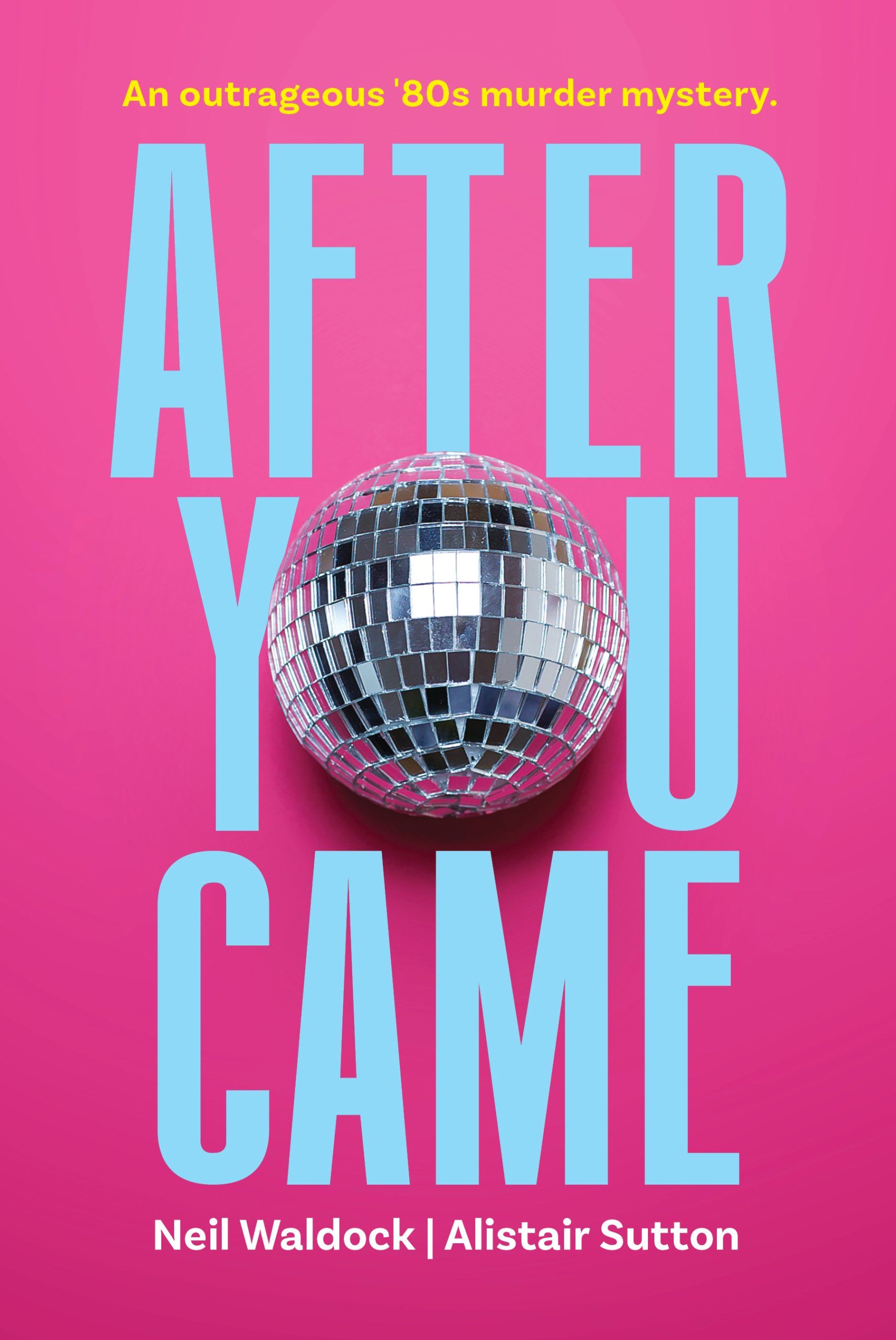


Illustrated book covers feature original artwork that is created specifically and uniquely for your book. The artwork can take many forms, such as hand-drawn illustrations or digital illustrations. They are a popular choice for children’s books, picture books, and graphic novels, but can also be used for other types of books such as fiction and non-fiction. An illustrated book cover can help to convey the tone and theme of the book and can also make the book visually appealing to potential readers.
When working with the illustrator, it’s important to provide feedback and make revisions as needed to ensure the final illustration meets your vision and expectations. Remember: be a big picture thinker; neither the illustrators patience nor your budget are endless, so make sure that you are only asking for alterations on the book cover when it is needed. Once the illustration is complete, you will receive the final files in a format that can be used for the book cover, such as a high-resolution JPEG or PNG.
Keep in mind that Illustrated book covers tend to be more expensive than stock image book covers as they require a longer timeline to create.


Whether you should get an illustrated book cover or a stock image book cover depends on your specific needs and goals for the book. Here are some factors to consider when making your decision:
Ultimately, the decision should be based on your budget, your timeline, your target audience, and also your own personal preferences. Do what is right for you and your book.
Green Hill Publishing specialises in bespoke book cover design. Our designers know the market and are skilled at working to a brief from the author. Head over to our Australian Authors Store website, or have a look at our publishing packages and see if we are the right solution for you!
If you’d like to shop around instead, there are many book cover designers out there who have very different styles, strengths, and weaknesses. Ask yourself a few questions before you start researching:
Start compiling book covers that fall into the same categories as inspiration and figure what you like the best. From here you can start to look for book cover designers who do the things that you like. Go to online marketplaces such as Upwork and Freelancer, or social media platforms like Behance and Dribbble and search for book cover designers who create covers you like. They will have portfolios of all of their work available to look at—be sure to save your favourites for later reference.
Look at their reviews and testimonials, too. Book cover designing is like any job, past clients will likely have left reviews of their professionalism, service, and artwork to help other potential clients feel confident in the book cover designer that they’ve chosen.
Once you’ve made a list of potential designers, go back through and narrow down a short-list. Now, you’re ready to start contacting.
The page you requested could not be found. Try refining your search, or use the navigation above to locate the post.
The page you requested could not be found. Try refining your search, or use the navigation above to locate the post.

Estimated reading time: 8 minutes
There are many opportunities for authors wanting to print their book in Australia. Additionally, it can be a great idea for Australian self-published authors who want to support Australian book services.
Yes, there are printers all across Australia that offer book printing services, though they may be more concentrated in the capitals, including Sydney, Melbourne, Adelaide, and Brisbane. You’ll be able to find Australian-based book printing companies that offer a range of printing solutions for your book, including offset printing, digital printing, short run printing, and more.
Some book printers also print other products, like posters etc. but others are dedicated to the production of books specifically. It’s especially important to remember that not all printers can print books. There is a lot that goes into the production of a professionally bound and finished book and it requires specialty knowledge and equipment that not every standard printer has.
There is no real limit to the kind of book you can print in Australia. Throughout the country, there are numerous book printers that offer a range of different printing solutions, so whatever the genre of your book you should be able to find a printing solution on Australian soil.
Things to consider about certain types of books, however, is that it may be difficult or expensive to print a book that requires a specialty finish or paper. For instance, children’s board books can be very expensive because the material is high quality and cost. Additionally, books that are too small to be perfect bound may have to be saddle stitched instead. It’s best to check your parameters with the printer and listen to their feedback.
The quality of the books printed in Australia of course varies depending on which printing company you approach. The quality of the printed book can depend on a few different factors:

Different book paper types
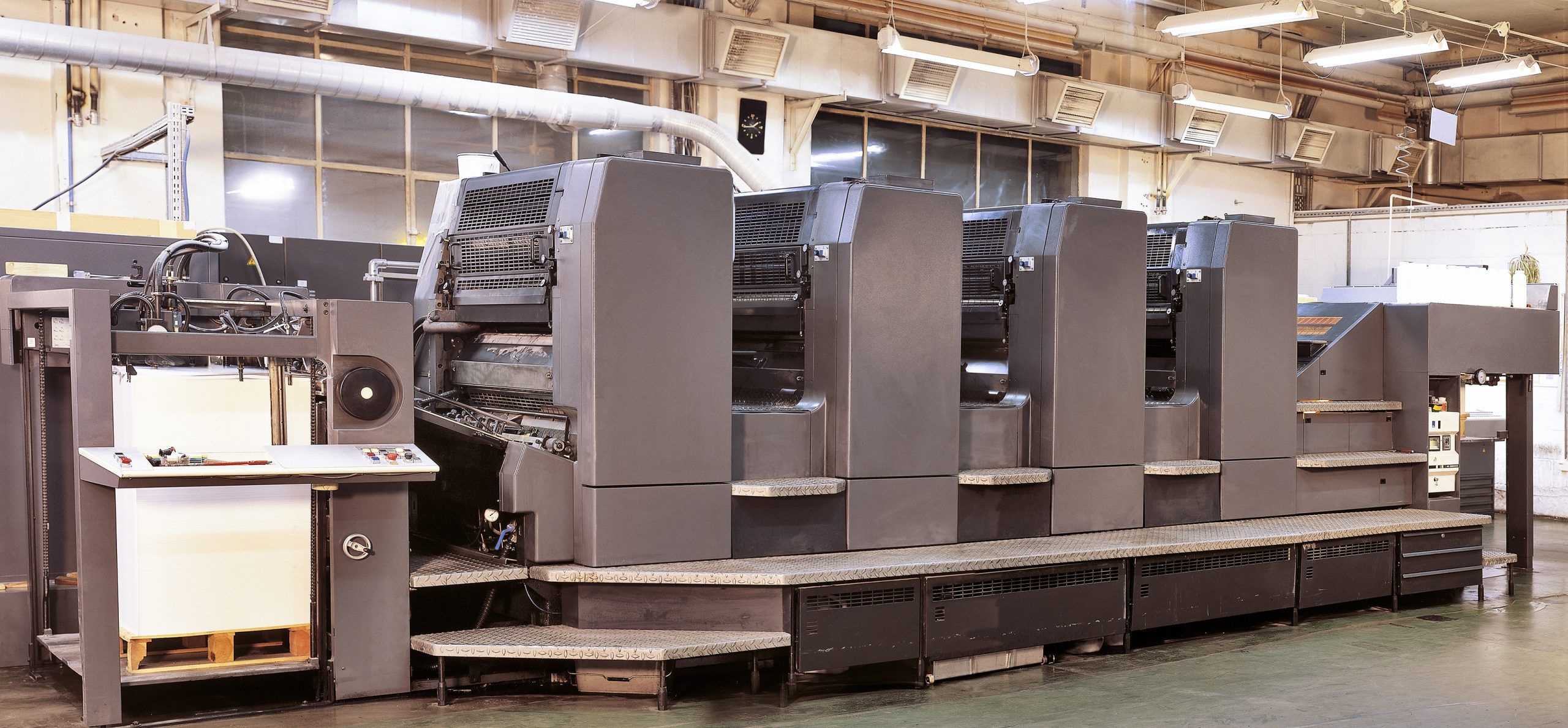
Offset Printing Press
There are also a couple of factors that are out of the printers’ control when it comes to how the final product will be when it gets to you. Major factors that can negatively impact your books are their environment and how they’re stored/transported. To maintain their print-perfect state, it’s important to have your books stored in particular conditions or they can easily warp or otherwise lose their structural integrity. These conditions include:
With any manufacturing endeavour, the costs are dependant on a few factors, including the:
As a general rule, however, when printing books in bulk we usually recommend printing overseas. By “bulk” we mean print runs that go into the thousands. Printing this kind of volume in Australia is simply too expensive in comparison to countries like Singapore, China, and Korea. (However, something to keep in mind with overseas printing is that, while the price of the printing itself may be lower, the shipping fees can get quite pricey.) For smaller print runs of a single copy to a couple hundred on the other hand, printing in Australia is definitely viable and can be beneficial in terms of lowering your shipping costs for this smaller volume in comparison to printing the same print run overseas.
To keep costs low for yourself, it’s always best to do your research on printing companies and get comparative quotes. Green Hill has connections with printers both throughout Australia and overseas, so we can broker comparative and competitive print quotes for interested authors.
The page you requested could not be found. Try refining your search, or use the navigation above to locate the post.
The page you requested could not be found. Try refining your search, or use the navigation above to locate the post.