No Results Found
The page you requested could not be found. Try refining your search, or use the navigation above to locate the post.


 Estimated reading time: 10 minutes
There are a few different kinds of printed books available for readers and one is the casebound book. What exactly is involved in the making of a casebound book and is there any benefit to it? Read through this post and find out.
Casebound, often referred to as hardcover, is a very common format for a book to be made in. How to identify a casebound book is by its cover, which will be hard and sturdy. This differs from the other common format, paperback (or softcover), as they have soft and flexible covers.
Some casebound books also come with dust jackets, which are made from a higher GSM paper than the interior pages and feature the same cover design as its paperback version. In instances like this, the casebound cover would have a more simplified design or be left almost blank and only have detail on the spine.
In traditional publishing, books are often first released in a casebound version before they transition over to paperback.
Firstly, the book blocks are created. This begins with printing, then moves to guillotining, and then binding. The binding style can differ but is usually limited to one of the standard processes: section sewn or glued. Once bound, cloth spines are added and the book blocks are complete.
Next, the cases are made. The process depends on the style of case (paper- or material-covered), as they require different steps and machines to complete. For paper-covered casebound books, the covers are first printed and cut to shape, then glued to and folded around the three pieces of board (front, spine, and back), before the book blocks are glued in place. For material-covered casebound books, a dedicated machine is used to attach and wrap cloth/imitation cloth around the three pieces of board (front, spine, and back) before they are glued to the book blocks.
Casebound books (either material- or paper-covered) can include the following extras:
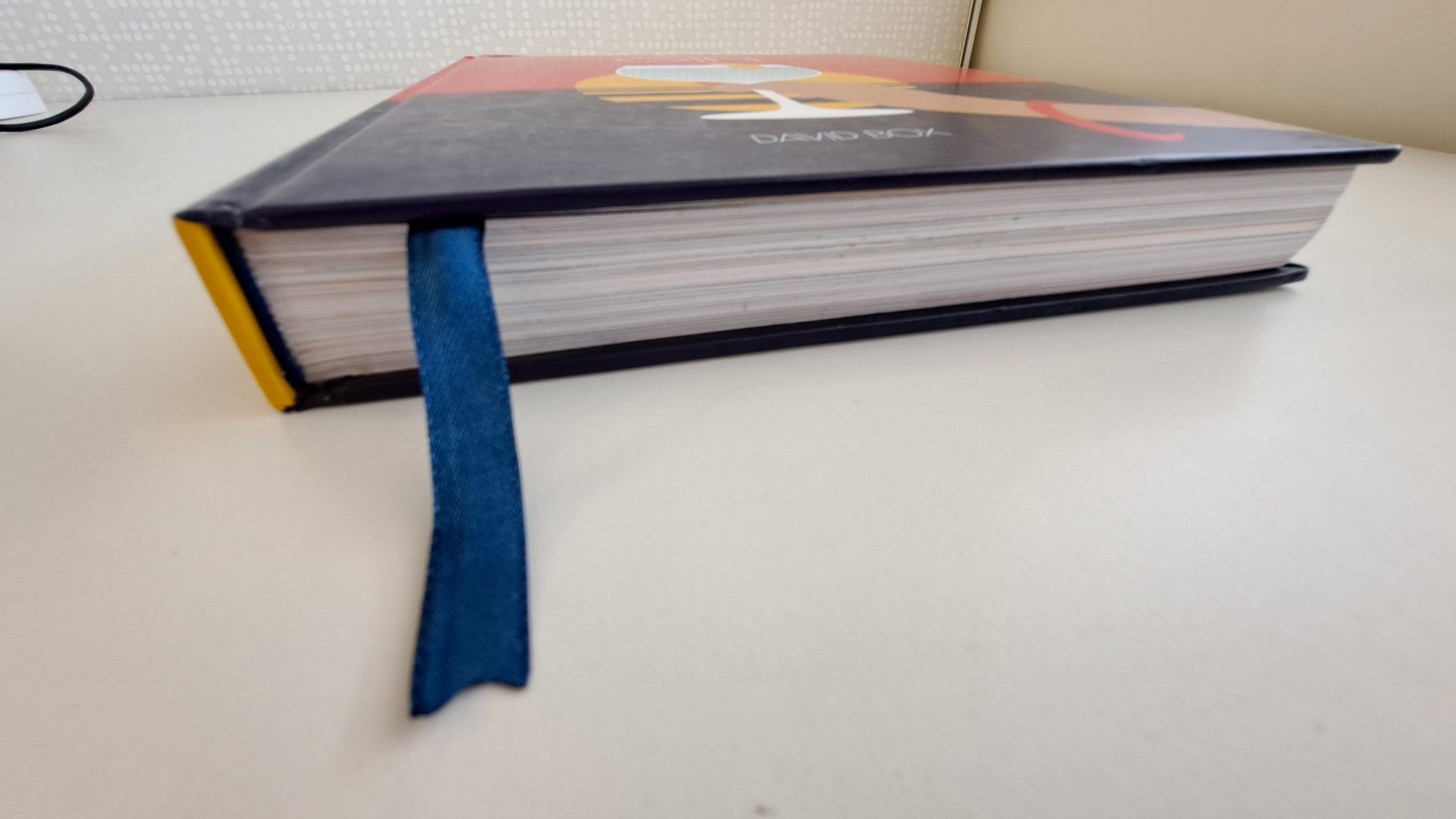
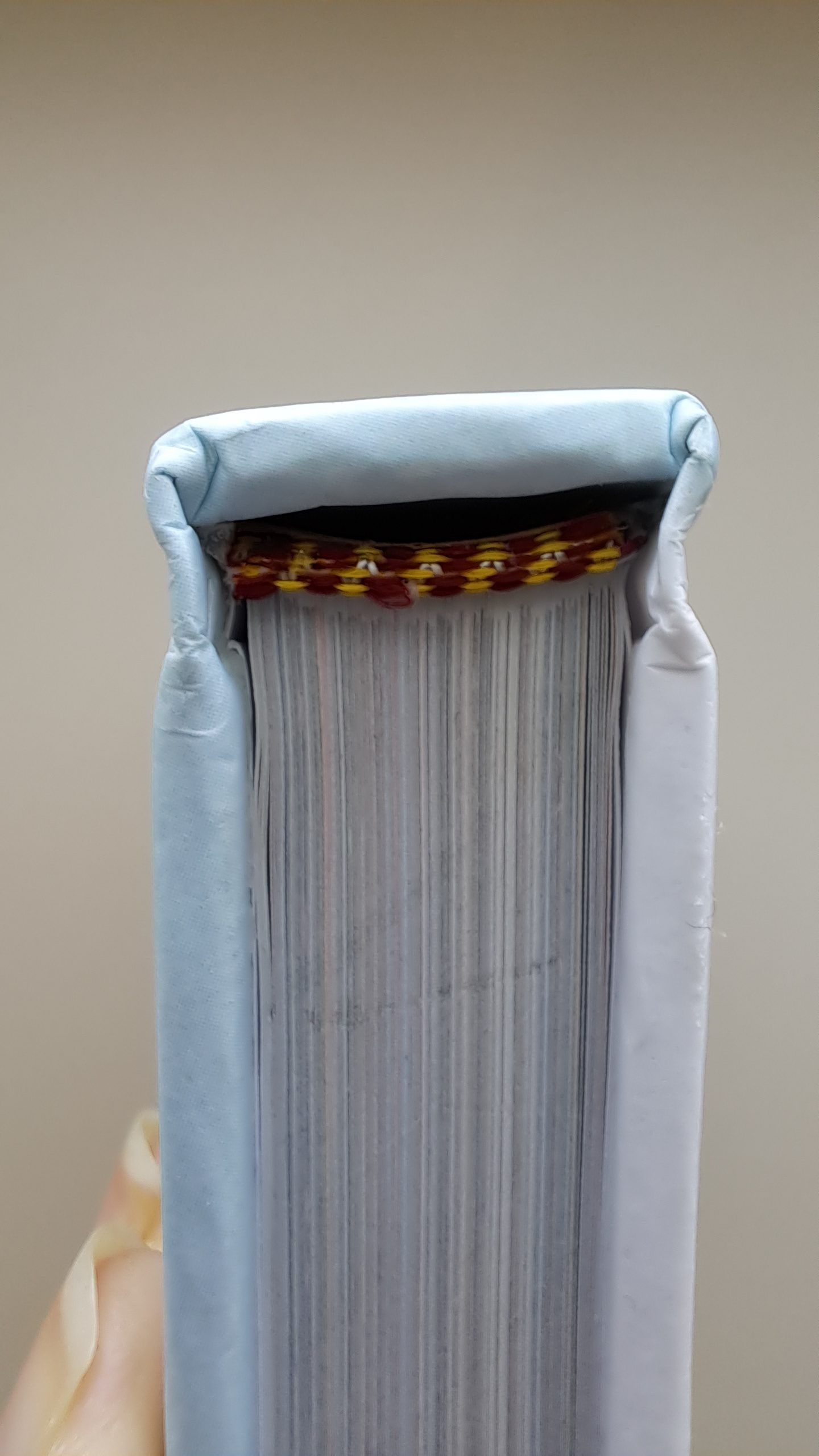
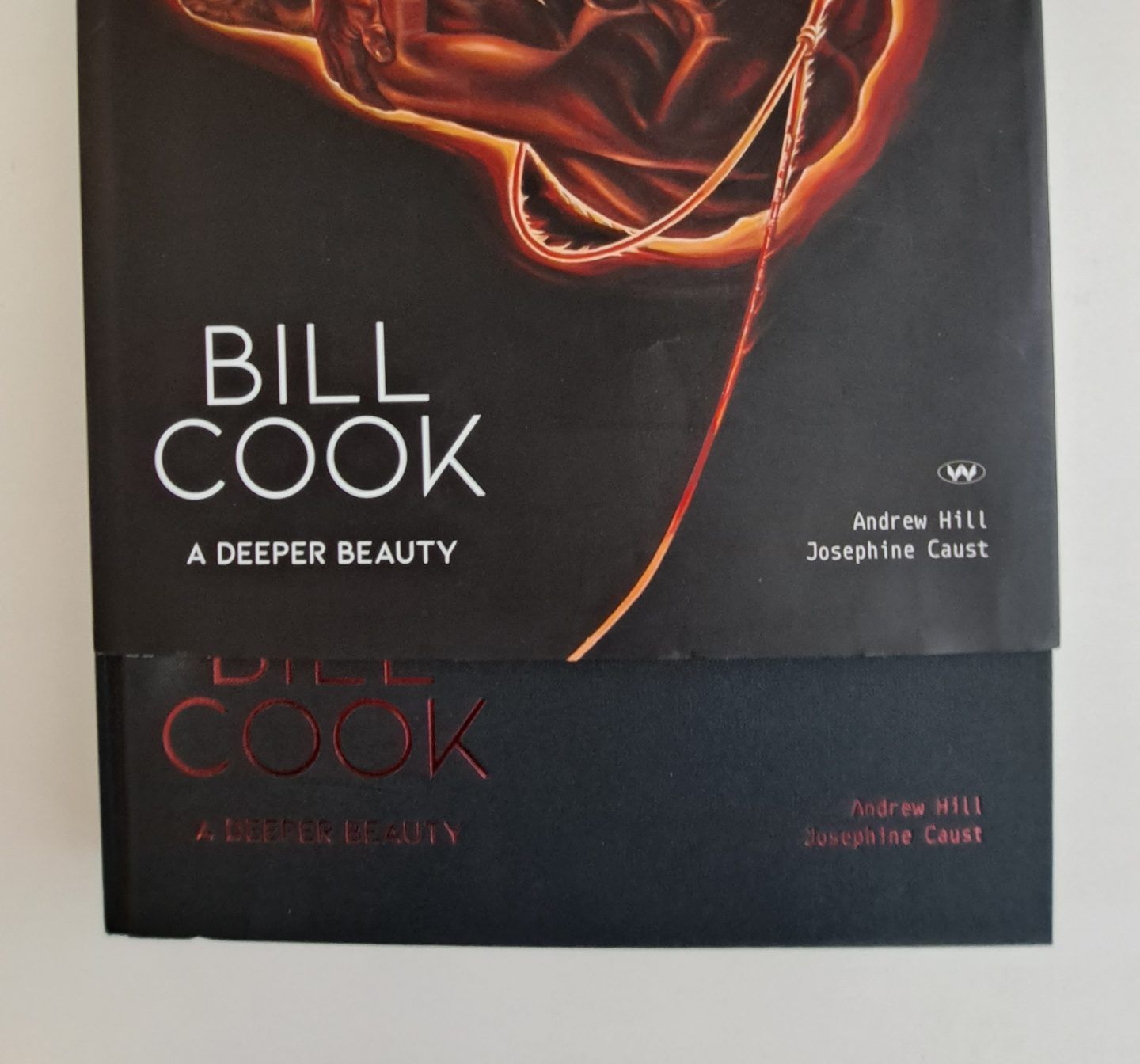
There are pros and cons to any book format. Casebound books have some great benefits over the other formats you could print your book in:
As with any book, casebound books do have their issues for readers and authors alike. It’s up to you to decide if the pros outweigh the cons:
Having a casebound version of a book is especially useful for publications that need to last a long time or have a high capacity for durability, but really any book can be casebound. It is very common for most genres of fiction and non-fiction to have a casebound version as traditional publishers release a casebound version of their books first to help maximise their profits.
If you are publishing your book traditionally, it’s likely that your book will have a casebound version as it is a standard procedure for these publishers. On the other hand, self-publishing authors need to be aware of the costs of printing casebound books and decided whether it is worth the cost (discussed a little later).
Otherwise, as a general rule, a book can be casebound if it has more than 30-80 pages. If your book doesn’t fit these specifications, check with your publisher or printer to see if your book is able to be casebound or have a think about other strategies, like making your book size smaller or adding more content.
As a general rule, paperback books sell more copies than casebound books. Paperback books are almost always cheaper for customers than their casebound counterpart and many readers prefer their lightweight nature. Casebound books, on the other hand, generally do not sell in as large of quantities, but they do generate higher returns on sale. This means that you don’t have to sell as many books to be profitable compared to paperback.
Many readers have their preferences for the kind of book format they like, and there are certainly a lot of them who will opt for a casebound book when given the decision.
The cost of any printing venture is highly personal and varies from project to project. This is because the cost of printing a book depends on many different variables, such as the quality of the print, the size of the book, and even the printer itself.
This includes embossing/debossing, foiling, spot-gloss, printed ends, and more. Applying one or more print finish will increase the cost of your book as it adds extra material and processes.


Certain types of binding are cheaper than others. Casebound books are more expensive than other binding types because the materials used in the production costs more to source. There are also additional processes undertaken by printers create casebound books.
The quality of the paper will dictate both how much the paper costs (higher quality = higher cost and vice versa), but it can also have an impact on freight costs as higher GSM paper is thicker and therefore weighs more.
Books with a smaller page count require less paper and are lighter, meaning they cost less both in the printing process and when it comes to freight.
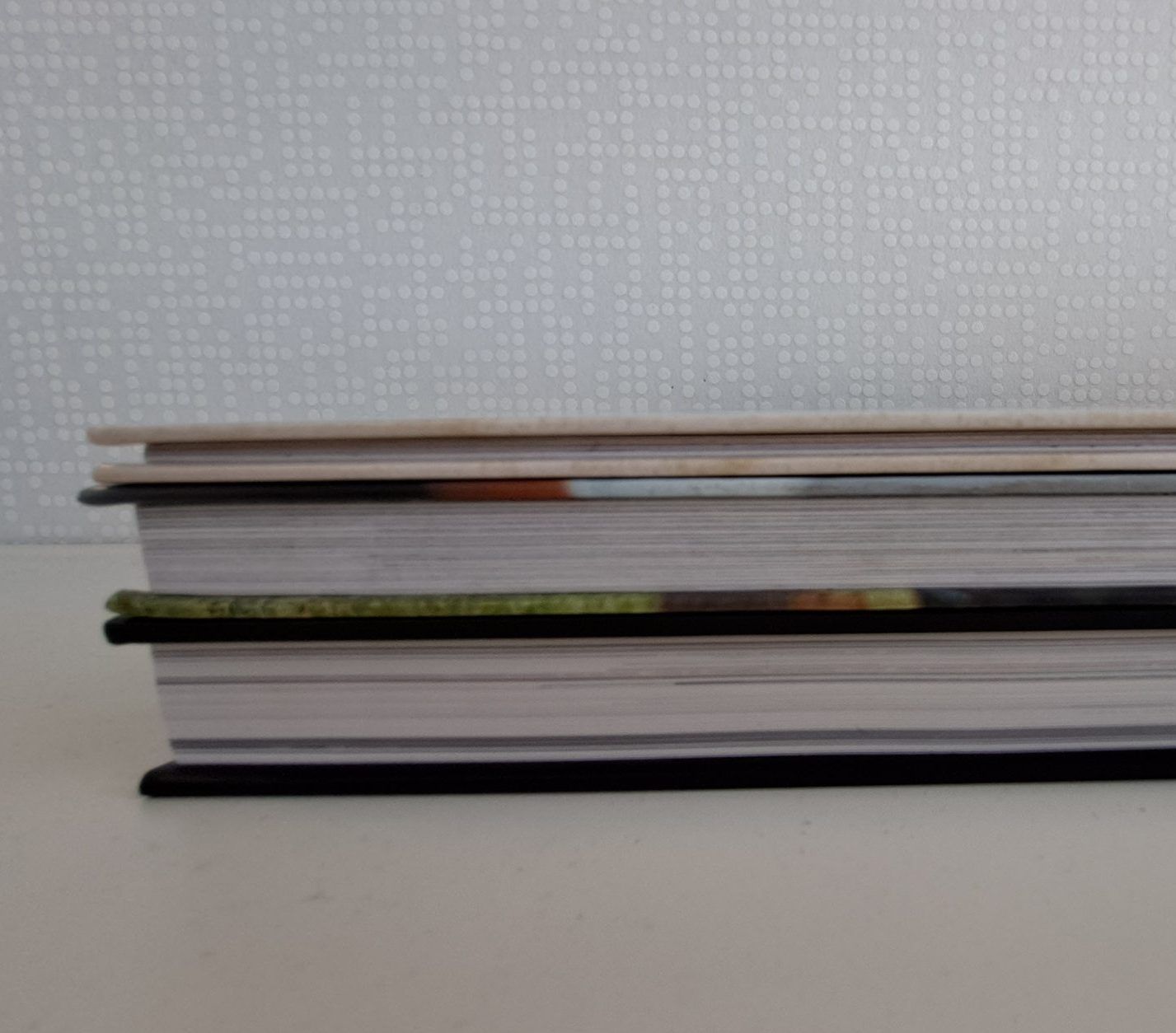
No two printers will give you identical quotes for a print run. This is because printers differ in factory (capacity) size, stock type and availability, and profit margins.
The location of a printer factors into the cost of printing for a few different reasons. Often, printing in countries like China will mean a cheaper price, but you’ll have to print in bulk and then pay for freight, which can also be quote costly. For our Australian authors, printing locally in Australia can cost more per book, but freight is often more affordable, and smaller print runs are available from most printers.
Organising a large (or bulk) print run will make the cost of printing a book cheaper per unit than they would be on a small print run. Choosing to print in bulk, however, means committing to a greater up-front cost.
The page you requested could not be found. Try refining your search, or use the navigation above to locate the post.
The page you requested could not be found. Try refining your search, or use the navigation above to locate the post.

Estimated reading time: 10 minutes
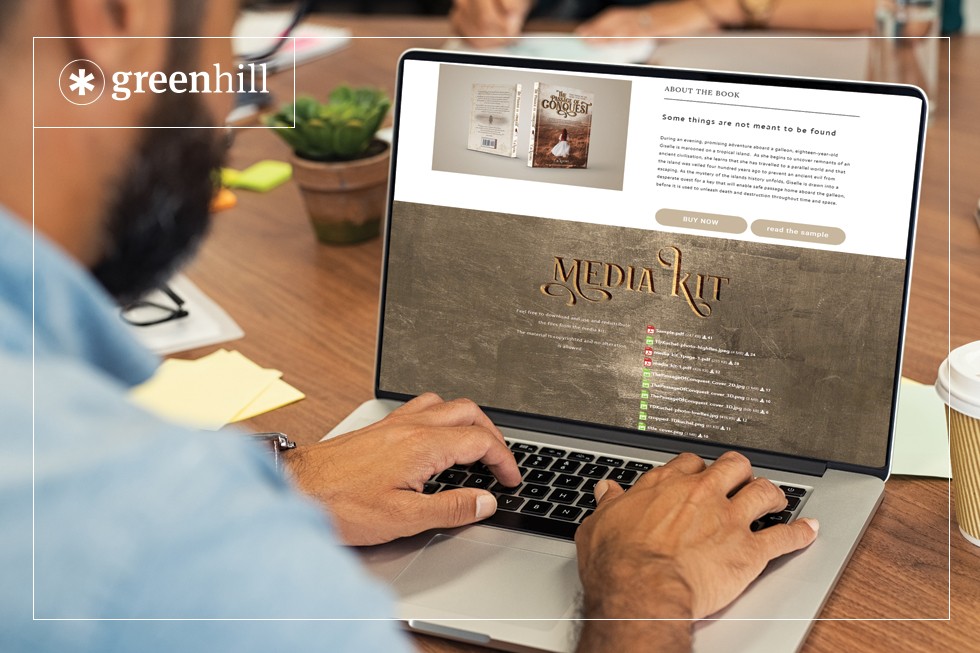
Marketing your self-published book doesn’t have to be difficult – Green Hill Publishing provides guidance on how to engage in marketing successfully.
Book marketing is the process of promoting a book to potential readers and increasing your book’s visibility within the book market. This can include many different tactics which will be touched on below, such as, creating a successful social media presence, reaching out to book bloggers and book reviewers on different platforms, using paid advertising, collaborating with authors and reading groups or book clubs, and more.
The goal of book marketing is to generate interest in your book, attract new readers, and increase sales. It is an ongoing process which requires creativity, persistence, and a deep understanding of both your book and the target audience, as well as your book’s place within the market. Additionally, self-marketing efforts would work best in conjunction with book publicity, which is a focused effort to help generate reporting and coverage of your book via the media.
Determining who the target audience for your book is an important and vital step in the marketing process. A target audience is a group of people who are most likely to be interested in your book and will more than likely purchase it.
Consider the following points when determining your target audience:
Self-marketing is not an easy job by any means. You must put in the work if you want your book to succeed. Remember: marketing of any kind is a long-term job, and it takes time, effort and consistency, but it will pay off in the end if you do it right.
The first key component of marketing your book is ensuring that you have an author platform to use as your ground-zero. Building an author platform means that you need to develop a strong online presence to help connect with readers and build a fanbase which will be loyal to you and your book or books.
There are also many marketing strategies that can you can use to promote your book in a specific way that works for your author platform, author brand, and book type.
Some of these include:
Developing a well-rounded marketing strategy that combines at least a couple of these tactics is a good idea. It is also important to be consistent and to research your target audience. The more you know about your target audience, the more you can tailor your marketing efforts to make sure you reach the right people.
The most important thing is to keep your readers engaged. Keep in touch with them through a website, social media and email lists to keep them up to date on your writing and any new projects or opportunities you are working on.
Successful book marketing is one that generates interest and sales for your book in an effective manner. Your marketing should have a strong and consistent message which can be determined easily—it must effectively communicate the value and unique selling points of the book.
Successful book marketing has measurable results. This means that clear goals and objectives should be set to measure the results of the marketing (this also makes it easier to track).
Ultimately, successful book marketing is dependant on the individual book, the target audience, and resources used in the marketing campaign. As well as this, the author must be willing to consistently work on the marketing. It is essential for both the author (and/or the marketing team) to have a clear understanding of the book market, the genre of the book and the target audience, and adapt their marketing strategy appropriately.
A good book review is an honest and well-expressed analysis of a book that provides prospective readers and a sense of the strengths and weaknesses of a book. Some key elements of a good book review are:
Book reviews assist in marketing your book as they provide potential readers an overall idea of what they can expect in a book, which gives the reader a chance to decide if this is something they are interested in. Not only do they do this, but they also give an independent assessment of the quality of a book, often shortcutting lead times and encouraging people to pick up a copy.
Positive book reviews also provide word-of-mouth advertising, as most readers, reviewers or book bloggers will share their thoughts with their friends, family and followers. In addition to this, a good number of positive reviews can help books become more visible on online retailer websites such as Amazon, Booktopia and Book Depository (as well as others) which can lead to increased sales.
Marketing does not happen overnight—it takes time, effort and consistency. However, it can be easy once you wrap your head around the wants and needs for your book!
Don’t know where to start on your marketing journey? Enquire with us to claim your copy of The Little Book of Big Marketing Tips and give yourself a head-start into the book marketing world!
The page you requested could not be found. Try refining your search, or use the navigation above to locate the post.
The page you requested could not be found. Try refining your search, or use the navigation above to locate the post.

Estimated reading time: 10 minutes
Goodreads for self-published authors is a great marketing strategy. Goodreads is often used for book reviews and tracking your reading progress, but it can also be an excellent tool for authors. Marketing through Goodreads can help boost your book’s visibility and reach a wider audience.
1. What is Goodreads?
2. How to create a Goodreads account?
3. How do you use Goodreads?
4. Why is Goodreads a good platform for authors to use?
5. What is the Goodreads Author Program?
6. The benefits of Goodreads for readers
7. How does Goodreads recommend books to readers?
8. Is Goodreads safe to use as it uses my data?
9. What are some other applications similar to Goodreads?
Goodreads is a platform (website and app) that allows users to search for and find books. Alongside this, the platform allows users to review and rate the books too. It is basically a social media platform for books where users can create book clubs, join groups, and follow their favourite authors.
Users can create their own personal account on Goodreads and also claim author profiles. You are able to search for books by title, author, or ISBN and add these books to personal virtual book shelves (read, want to read, etc.). The shelf feature allows users to categorise the books they’ve read, are currently reading or want to read. You are also able to participate in group discussions about particular books/authors. Goodreads collects data to recommend books to users based on their reading history and preferences.
To create a free Goodreads account, follow these steps:
You can also create an account by signing in with your Google or Facebook account, which can be faster and more convenient.
You need to be 13 years or older to use Goodreads.
Goodreads is a relatively easy social media platform to use. To use it:
Goodreads is a great author platform because it provides authors with a way to connect with readers and also promote your books. Some benefits of using Goodreads include:
Goodreads is a platform which can increase the visibility of authors, connect authors with readers and other authors, as well as promote books to a wider audience.
The Goodreads Author Program is a service offered by Goodreads that allows authors to claim their author profile. Authors are also able to connect with readers and promote their books on the platform. Some of the features include:
The Goodreads Author Program is free to join and is available to all authors. By joining the program, authors can promote their books, connect with readers and other authors, and also gain valuable insights about their readership.
There are a few factors that determine how Goodreads recommends books to readers. These include:
By considering these factors, Goodreads can provide users with personalised book recommendation which are tailored to their reading preferences by the data they’ve collected.
Goodreads collects user data as part of its normal operations, but they only take data in context to reader habits. This being said, they do not steal user data. Goodreads Privacy Policy states that the company uses user data to provide and improve its services, as well as for advertising and promotional purposes.
Users should always be careful when sharing personal information online and should review the privacy policy of any platform used (including Goodreads) to understand what data is being collected and how it is used. If you have concerns about privacy, you should take steps to protect your information by adjusting privacy settings, being cautious about what you share, and also reviewing what data is being collected.
Goodreads is considered safe to use and they have security measures in place to protect individual user data (this includes encryption of sensitive information and regular security audits).
However, like any online platform, there are always risks of data breaches and hacking, and all users should be cautious of the information they share on the platform. It is recommended to use a strong password which only you know and enable two-factor authentication.
As Goodreads is a social platform, users should be aware of the information they share and be cautious of online scams and phishing attempts. However, as long as users are aware of potential risks, don’t share personal information on the platform, and take steps to keep your information safe and private, Goodreads is a safe platform to use.
Here are some other applications that are similar to Goodreads:
BookLikes is a social media platform for booklovers to create virtual bookshelves, review and rate books they’ve read, and also connect with other book lovers. It has similar characteristics to Goodreads in that you can discover new books, share reading experiences and engage in the book community.
BookPage is a little different to the rest of the platforms as it is a literary magazine which focuses on reviewing and recommending books to their readers. They have articles about the latest and best books in a variety of genres such as fiction, sci-fi, and more. The magazine also features author interviews, essays and features about the publishing industry. It is aimed at readers and provides a physical and digital resource to discover new books and authors.
LibraryThing is a website that caters in categorising books. Users are able to create a personal catalog of books and keep track of their reading progress, reviews, and rating like Goodreads. Similarly, it also gives book recommendations and author information. It is a platform which allows book lovers to connect.
Novellic is a digital application for mobile for readers and book club members. The app curates and personalises recommendations for readers based on their individual reading preferences as well as allow users to join and create book clubs.
StoryGraph is an application that specialises in book discovery and recommendation platform that assists readers find their next favourite read. It has features such as personalised recommendations, book lists, reviews, ratings, and a community of likeminded book lovers. Users are also able to track their reading progress and rate books they read similarly to Goodreads. You can also link your Goodreads account so they sync up!
The page you requested could not be found. Try refining your search, or use the navigation above to locate the post.
The page you requested could not be found. Try refining your search, or use the navigation above to locate the post.