No Results Found
The page you requested could not be found. Try refining your search, or use the navigation above to locate the post.


 Estimated reading time: 10 minutes
When a book is opened, the reader expects it to be clear, easy to follow, and attractive. This includes the way the text appears on the page, the spacing, fonts, and image placement. The process for this is called typesetting. Typographers, applying the scientific and artistic principles of book typography, implement or manage typesetting.
Typesetting is the process of arranging a manuscript in a specific style, with the goal of making the book both easy to read and visually appealing to the reader. The process includes choosing font, line spacing, and margins. Typesetting can also be translated to any form of digital text (eBooks, websites, apps, etc.)
Typesetting can be defined as an ancient art as it is linked back to 1040 AD in China when inventors created movable type for printing. Later on, in 1440, Johannes Gutenberg invented the printing press, involving type frames operated by hand in order to print books. From these early inventions, typesetting then moved into mechanical printing presses, to automated printing presses. It then eventually made its way into graphic software which professional typesetters use today.
Mood, time, period, and setting are intended to be evoked from typesetting. Each font, as well as the page, is laid out to reflect back to the theme of the story.
Think about a book you’ve read where something about the interior seems off (font, spacing, images). This is most likely because the typesetting wasn’t done in a way that suits the genre, and has therefore given an unreadable layout.
Each project is typeset differently, and typesetters take variables such as book length, genre, and print format into consideration. These variables impact and influence the decisions typesetters make around:
Typesetters typically take care of the following aspects as well:
Typesetting is an extremely important aspect of book design and requires a good understanding of font, font sizes, and line spacing. Good typesetting is not able to be identified by the average reader. Instead it allows for the reader to be able to enjoy the layout/text without interruption. In comparison, bad typesetting will draw the reader to identify issues and will be distracted.
The aim of typesetting is to make the readers experience enjoyable and as smooth as possible. Typesetters follow a set of rules to make the book appear professional and trade-ready. These rules ensure a high-quality design, readable print, and ease of conversion to eBook.
Below is a snapshot of reasons why professional typesetting is critical for book publishing:
The author’s goal for their book can determine the route in how typesetting is approached (DIY it or hire a professional). However, if a book needs to compete with bestsellers, or if it is a business leaver, the quality of the typesetting is highly important. Compare the book’s appearance as if it was meant to mirror the author. If a book is put together messily without following any set rules, this reflects back onto the author. This is why it is always important to have professionals assist you with this.
Modern typesetting should be done in software that is made for professional trade publishing. Many authors make the mistake of thinking manuscripts can easily be typeset in Microsoft Word then converted to a PDF file, but this is not the case. While manuscripts are written in Word, typesetters do not use Word to do typesetting. Instead, they use the content provided in the document to craft the book’s interior layout in dedicated design software. It’s impossible to follow the rules of typesetting in a Word document, and trying to do so would make an unreadable book.
There are many design software applications that are available for use, however, it is always best to work with a trusted and professional provider. At Green Hill, we can professionally typeset your book ready for trade.
If you are looking to DIY, you must have a clear understanding of the software available and how professional typesetting is done.
Below are some examples of typesetting software applications that can be useful:
It is important to understand that typesetters know how to do the work. Hiring a professional is always the best step forward. Doing so will ensure there are no errors in your book before you print.
When it comes to preparing for typesetting, there are a few things that need to be considered:
A good typesetter or publisher will guide you through the typesetting process and do the harder elements for you. Contact us to discuss the typesetting process and how Green Hill can help.
Finding a professional typesetter is very important as typesetting follows a strict set of rules to produce a professional product.
When choosing a typesetter, it is important to consider the following:
There are freelance websites which advertise typesetters who can assist with projects, but there is a high probability that they aren’t “professionals”. It is always better to find a professional via a publishing company or a dedicated typesetting company.
If you are looking for quality typesetting, Green Hill can help! We include a professional typesetting service in all our packages. Not only would you have your book professionally typeset, we can set you up for the full publishing journey. This looks different for each author, but can include editing, illustration work, distribution, and print!
Contact us today to find out more.
EBooks can be developed in a number of ways, from converting Word files to a PDF, to using eBook conversion tools. However, these ways can introduce areas of concern. You do not want your book to look like a PDF file.
However, when it comes to a professionally produced eBook, the bottom line is: Yes. All versions of books should be typeset.
You want your digital book to read and feel as similar to a print book as possible, so all of the rules need to be applied. Having a well-designed and professionally typeset eBook can approve the reliability of the book, making it easier on the readers eyes, and enhance the overall appearance of the book in the long run and in turn make your eBook more marketable.
A fixed-format eBook is designed to retain the original layout, format, and image placement over a variety of different devices and eBook platforms. Fixed-format eBooks are produced to be viewed in a specific way with a layout that takes into account the exact font sizes, images, and page breaks. This type of eBook is commonly used for children’s books, cookbooks, and any other book which has a visual element as the presentation of the book is extremely important. Fixed-format eBooks allow the author and book designer to have complete control on how they look, right down to every page.
A reflowable eBook can adjust its text and layout based on the size, orientation, and type of device or reading platform that is being used. The purpose of a reflowable eBook is to be as flexible as it can and allow the file to adjust based on the individual specifications of the book. These eBooks can be read on a variety of platforms, from smartphones to tablets and e-Readers. These eBooks are mostly commonly used for books with long forms of text, such as novels or other text-based content. EBooks formatted this way are typically not as interactive as reflowable eBooks compared to fixed-format eBooks.
Typesetting is one of the most important factors of creating a publishable book. Here at Green Hill, we have the typesetting skills and knowledge to give you design direction for your book specifically.
Below are some examples of different types of typesetting that Green Hill have produced.


The page you requested could not be found. Try refining your search, or use the navigation above to locate the post.
The page you requested could not be found. Try refining your search, or use the navigation above to locate the post.


Social media marketing for authors is extremely important. Do it right, and you can reach an unlimited number of potential readers and get your book out into the world.
1. Why is social media good to use an an author?
2. What is the best social media platform to use as an author?
3. What defines a good author social media account?
4. How do I make a social media account?
5. What should I post on my author social media accounts?
6. How do I create content as an author?
Authors use social media marketing to spread awareness and news, events, and projects. Social media is often used to:
There is no right or wrong platform to use when social media marketing as an author. Instead, choosing a platform which suits best is dependant on the authors goals and target audiences. Having said that, there are a number of popular platforms which can be used, so we have narrowed down a list below of the key platforms to take advantage of:
Using more than one platform is a good way to make the most out of marketing your book. Green Hill offers marketing services and can help you with social media marketing.
Having a good social media account can be defined by the following factors:
By using this criteria, social media can help an author boost sales, promote their name, make a connection with their readers and have a strong and unique online presence.
There are different steps to follow depending on which social media account is being signed up to. Below are the instructions on how to sign up to the previously mentioned social media platforms.
Please note, it is important to keep your privacy safe. Do not give out too much of your personal information on online platforms.
To create a Twitter account, follow the steps below:
To join Twitter, you must be 13 years old or over and agree to their Terms of Service and Privacy Policy.
To create an Instagram account:
To have an Instagram account you must be 13 years old and agree to the Terms of Use and Privacy Policy.
To join Facebook:
To use Facebook you must be at least 13 years old and agree to the Terms of Service and Privacy Policy.
To create a free Goodreads account, follow these steps:
It’s also possible to create an account by signing in with your Google or Facebook account, which can be faster and more convenient. You need to be 13 years or older to use Goodreads and you must accept the Terms of Service and Privacy Policy.
To create a TikTok account, follow the steps below:
The minimum age requirement to create a TikTok account is 13 years old and you must accept the Terms of Service and Privacy Policy.
When marketing your book and yourself as an author on social media, your platforms should promote your work, and your content must be engaging. Below are some post ideas to consider posting:
As a professional, it is important to be respectful on social media. However, it is also good to be authentic and yourself!
Sometimes creating content for social media can be challenging, but we have put together some tips for you to follow.
Social media marketing your book and author persona takes effort, but it can be valuable in the long run.
There are hundreds and thousands of other online tools and platforms that can be used to help with social media content creation. The most important thing is to find platforms that are easy to use and help enhance your social media page.
The page you requested could not be found. Try refining your search, or use the navigation above to locate the post.
The page you requested could not be found. Try refining your search, or use the navigation above to locate the post.
Estimated reading time: 5 minutes
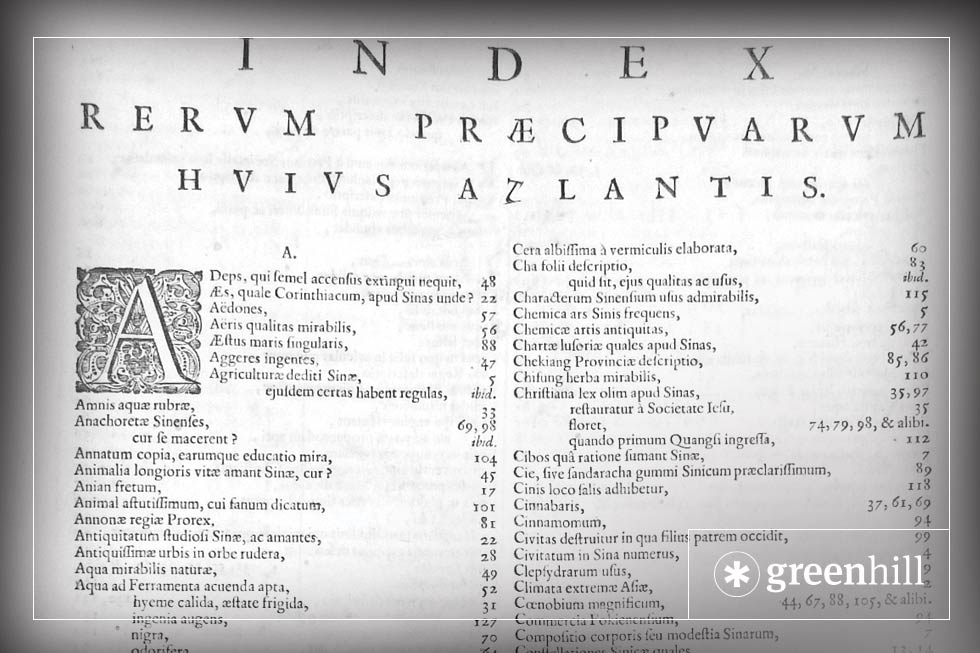
Book indexing is a hot topic in the world of self-published books. Whether your book needs indexing is often dependant on factors like the genre and form, but there are other things to consider as well. Do you want to make your book look not self-published? If the answer to this question is yes, then indexing is likely for you.
Indexing takes effort. But it doesn’t have to be excessively expensive or time-consuming. The value an index will add to a book should not be underestimated. It should be considerd an investment in producing a good quality book.
The first question you need to ask yourself is what sort of book are you planning to publish and do those books usually have indexes?
If your book is fiction, then you won’t need an index. That’s because indexes are, at their most basic, navigation devices. While a work of fiction is read from front to back, non-fiction are often used as reference works where the reader will be wanting to find a specific piece of information on a specific topic.
Sometimes if a reference piece is only short, like Green Hill’s The Little Book of Big Publishing Tips, an index isn’t a requirement. Our book is just 8,000 words spread across eight chapters. The chapter names are unambiguous, so the contents page which includes sub-sections seems more than adequate.
These sorts of publications don’t need an index, but as a publication’s complexity increases with more detailed and complex content, an index becomes necessary. For long reference works with perhaps thousands of topics, an index is indispensable.
Indexing a book is useful. A quality index provides readers, publishers, and authors many benefits:

Indexing a book helps readers navigate to information – it’s like a map
There are many sorts of indexes used across the information sphere. For example, a library will have a catalogue which is ever-growing to accommodate new content.
A ‘back-of-book’ index deals with a single published work rather than the corpus or the total of all produced/written works. A ‘back-of-the-book’ index identifies all significant major and minor topics.
An indexer is a publishing professional who specialises in producing indexes for books. Indexing can be technical, so employing a professional indexer is the best way to produce a quality outcome.
The indexer’s task is to analyse concepts, principles, events, and people in the text of a book and to produce a series of headings with referenced page numbers.
These headings should:
Books that have complicated information might need both a main entry and subentries. But even for the most complicated books, subentries within subentries should be avoided as they create cognitive difficulty for readers.
Green Hill has two highly proficient indexers. They are incredible and their fees may be quite a bit less than you think. Enquire with us today to get a quote on your indexing project.
Green Hill is a technologically agile new-breed publishing company. This means we are committed to automation. We often describe Green Hill as a book factory staffed by artisans. This means if we can automate any process without a reduction in quality we will. Elon Musk, the owner of Tesla is famous for saying “first I see if we can automate, second I see if we can eliminate” (paraphrase) any process.
Often automated indexing is an increase in quality because it removes potential for human error.
While totally ‘automatic’ generation of an index is still a little way off (see artificial intelligence) – it still needs human judgement, part automation has long been a reality.
When you publish a book through Green Hill we can show you how to implement embedded indexing (EI). This technique is where hidden text is input into a document identifying concepts, terms, people and places to be included in an index.
As a self-published author this is an ideal way to generate a powerful index without the expense of using an indexer.
The page you requested could not be found. Try refining your search, or use the navigation above to locate the post.
The page you requested could not be found. Try refining your search, or use the navigation above to locate the post.