No Results Found
The page you requested could not be found. Try refining your search, or use the navigation above to locate the post.


 Estimated reading time: 9 minutes
What is a book publishing entrepreneur, how do you become one, and how do you know if you already are one? There are benefits to becoming a book publishing entrepreneur if you’re interested in establishing a professional presence in the world of book publishing.
First, we need to understand what an entrepreneur is before we can fully understand it in the context of book publishing. According to Investopedia, “an entrepreneur is an individual who creates a new business, bearing most of the risks and enjoying most of the rewards. The process of setting up a business is known as entrepreneurship.”
It’s common for entrepreneurs to be disruptive. Whether that’s within an organisation or within a market. They can also be stressed by lack of progress, organisational rigidity, long time frames, lack of results, and lack of stress. Yes, you read right – a lack of stress (or challenge) often stresses entrepreneurs.
I’m an entrepreneur. Starting my career in a government agency was disillusioning. A sagely government employee (who’d started just three years prior to myself), advised me “the way to get ahead is simply keep your head down – don’t rock the boat… It might take 15-20 years, but you’ll end up an executive with a huge pension fund,” and “If its not broken, why fix it?” The problem with that ethos was that I wasn’t interested in a pension and that it was indeed broken! It wasn’t for me.
From my experience, entrepreneurs have a distinctive approach to risk and risk-taking. That is, they are comfortable with taking risks. Often, they behave in ways that others see as irrational. This is what I call the “entrepreneur x-factor” (EXF). From the outside, it seems that entrepreneurs are odd – but it’s what the entrepreneurs can ‘see’ that non-entrepreneurs can’t that sets them apart.
What entrepreneurs see is most often the reward for risk taking. The best entrepreneurs can also see the way that a risk can be managed and the steps that can be taken to achieve success. For many entrepreneurs, these steps and processes are like a game – an enjoyable game. They are not at all stressed with challenges or the obstacles between them and success. Great entrepreneurs are essentially creative, not so much in the artistic sense, but in terms of being able to conceive initiatives and solutions to problems. Faced with a obstacle, a good entrepreneur will muse “that’s okay. If it was easy, everybody would be doing it.”
A book publishing entrepreneur specifically is someone who see’s an opportunity (a reward) and is happy to embrace risk (money and time) to see a book published. This could be someone else’s book, or it could be their own.
Many self-published authors fit the entrepreneurs profile, but there are self-published authors who do not. Included in that are those who:
The rewards of book publishing entrepreneurship can be financial, reputational, or as a lever to promote a business.
See if you are entrepreneurial, take the quiz below:
Alternatively, here’s my very own short-list of qualifying questions:
Answered yes to those questions? Then you have the makings of an entrepreneur. And if you are an entrepreneur, then you can certainly be a book publishing entrepreneur.
If you don’t understand risk-and-reward, you are either not a book publishing entrepreneur or you are a poor book publishing entrepreneur.
Revisit our blog post, Self-publishing vs traditional publishing, to learn about the financial risk of publishing your book and see if you have what it takes to be a book publishing entrepreneur. The blog covers the risks of publishing your book across three avenues: self-publishing, traditional publishing, and hybrid publishing.
Book entrepreneurs are book market aware. A good book entrepreneur scans the market to see what sells. This can be done by using industry data like Nielson BookScan (if you can afford it). You’ll be able to find what is selling best in which genres. Amazon is invaluable (nearly free) and by using browser plugins you can find a whole lot of valuable market information. Or as a book entrepreneur you can simply keep an eye on what genres are selling at WH Smith each time you pass through the airport.
The one way that you can be assured that your book will sell is by adhering to this simple mantra: only build books for those that want it. One way to be certain whether your book has interest or not is to presell your book in volume while it is still in production. Don’t forget crowdfunding if you are short on capital. Crowdfunding is a legitimate way of pre-selling your book. Pozible – based in Melbourne – is a great Australian crowdfunding platform that you can use to presell your book and gauge the public interest early.
Using your book as a business lever (not necessarily for profit from book sales) is a great strategy. This strategy gives you the opportunity of you being recognised as a thought leader or subject expert. You can also use a book as a powerful part of a sales funnel and drive more traffic to your business.
If you want to be assured that you are getting a professional result out of your book publishing process, you need to use a self-publishing service provider (SSP) like Green Hill. The worst thing you can do is to make your book look self-published – that’s the ‘kiss of death’ for any publishing enterprise. Unfortunately, this is almost always the case with projects that have been executed solely by the author. Whether that is the author doing their own editing, cover and typesetting design, and organising their own printing, or if they don’t cut the professionals they hire loose and allow them to properly do their job. Organising your book production through a SSP like Green Hill and allowing industry professionals the space to work their magic, your title if infinitely more likely to sit comfortably on bookshelves next to a Penguin or Hachette title. Do the math – use a SSP.
The page you requested could not be found. Try refining your search, or use the navigation above to locate the post.
The page you requested could not be found. Try refining your search, or use the navigation above to locate the post.


Estimated reading time: 9 minutes
Self-publishing and traditional publishing are two similar yet distinct avenues authors can use to get their writing out into the world. While both publishing solutions offer authors the opportunity to share their work, self-publishing and traditional publishing differ significantly in their approach and processes and both can be beneficial in different ways.
The appeal of self-publishing to authors is that they can maintain control over their book. It is up to the author to manage the whole process, from editing, book cover design, typesetting, printing, marketing, and distribution. The author is able to outsource the work to freelancers or an assisted self-publishing company to help them produce a more professional produce and assist them with a process they may not be familiar with. This is the difference between do-it-yourself self-publishing and assisted self-publishing. Self-published authors also typically maintain all the rights to their project and most of the royalties from the sales.
Some self-publishing endeavours can be nearly completely free for authors. This includes options such as KDP and Ingram Spark Publishing. However, if the author wants assistance with the production process, they will need to finance it themselves.
The start of a traditional publishing endeavour for most includes the author submitting their manuscript to the “slush-pile” in hopes of gaining a publishing deal. Often authors submit their manuscripts through a literary agent to up their chances of being accepted. Once accepted, the author often receives an advance payment from the publisher that is later taken out of future royalties. The publisher will then put the manuscript through the necessary processes needed to produce a book: editing, book cover design, interior design, and then to marketing, print, and distribution.
With traditional publishing, the author maintains little to no control over the production of their book. To elaborate, the publisher will take over aspects including the editing, design—even the book’s title—to make sure that the book is marketable and appeals to a wide audience. The author also receives a smaller royalty percentage on each sale than the publisher as they have to cover the production costs and turn a profit.
The lesser-know third option—hybrid publishing—is much like how it sounds. It is a hybrid model that sits somewhere between self-publishing and traditional publishing, combining elements of the two. With a hybrid publisher, the initial process will be very similar to traditional publishing, in that the author has to submit their manuscript for selection and, once approved, the hybrid publisher will undertake a variety of services such as editing, book cover design, interior typesetting, distribution, etc. The difference is that the author maintains more control over the process, like they would in self-publishing.
With any publishing endeavour, there is always financial risk involved. This is because no one can accurately predict how a book will act in the market—especially for new authors. Someone has to pay for the manuscript to go through the strenuous process of becoming a book, so who is it? First, you have to identify which type of publishing you’re considering:

While many DIY self-publishing platforms themselves offer free or relatively low-cost set-up, this do not mean that the production of the book is also free. Unless you are confident you can do everything by yourself, including editing, illustration, ISBN registration, book cover design, interior typesetting, marketing, and more, you will likely be paying for industry-trained professionals to help you with these tasks. This means that you will have to put in a lot and work and up-front payments while having no guarantee that your book will sell.
When employing the services of an assisted self-publisher, like Green Hill, you will need to pay for their services. This usually includes book cover design, interior typesetting, and ISBN registration. Some also offer editing, illustration, print, distribution, and marketing, though these might be extra to the initial package. The benefit of using an assisted self-publisher is that you can off-load much of the work compared to DIY publishing and instead be guided through the process. Be sure to do your research and find the best solution to you.
In hybrid publishing, both the author and the publisher are financially viable for the production of a book, including the editing, book cover design, interior typesetting, ISBN registration, illustration (if needed), print, distribution, and marketing. In turn, they both also receive royalty payouts; the author will usually get a higher royalty percentage per book than they would with traditional publishing.
With a traditional publishing model, the author doesn’t contribute financially to the production of the book once the publishing house takes over. The publishing houses receive their financial compensation through the sales of the book and receive a higher percentage of the profits than the author does. This means that, while the production of the book is free initially, authors are not given a high royalty for each sale.
There are a few factors to take into account when considering which publishing route is best for you, but some major ones to consider are:
Self-publishing can be done for free, but if you want to hire professionals you may be looking at paying a few thousand dollars. Traditional publishers don’t require any payment from their authors, but your manuscript has to be accepted, which can be a long and arduous process. Then, once your manuscript is selected and published, you may not see any profit return as the publisher, retailer, and wholesaler will take their cut first.
Timeline can be important for a number of reasons. Some wish to publish their book before a loved one passes, others need business publications by a certain date, and some want to publish strategically around major holidays like Christmas.
If you have a strict deadline, self-publishing is the route for you. With DIY self-publishing, you can do everything at your own pace, and the process is often still speedy with assisted self-publishing as long as nothing goes out of scope and there are no setbacks. Traditional publishers, however, can take anywhere from months to years to publish a book.
A major factor of choosing your publishing avenue is your intentions for publishing. Below are a few of the most common and which service they suit best:
The page you requested could not be found. Try refining your search, or use the navigation above to locate the post.
The page you requested could not be found. Try refining your search, or use the navigation above to locate the post.

Estimated reading time: 10 minutes
There are a few different kinds of printed books available for readers and one is the casebound book. What exactly is involved in the making of a casebound book and is there any benefit to it? Read through this post and find out.
Casebound, often referred to as hardcover, is a very common format for a book to be made in. How to identify a casebound book is by its cover, which will be hard and sturdy. This differs from the other common format, paperback (or softcover), as they have soft and flexible covers.
Some casebound books also come with dust jackets, which are made from a higher GSM paper than the interior pages and feature the same cover design as its paperback version. In instances like this, the casebound cover would have a more simplified design or be left almost blank and only have detail on the spine.
In traditional publishing, books are often first released in a casebound version before they transition over to paperback.
Firstly, the book blocks are created. This begins with printing, then moves to guillotining, and then binding. The binding style can differ but is usually limited to one of the standard processes: section sewn or glued. Once bound, cloth spines are added and the book blocks are complete.
Next, the cases are made. The process depends on the style of case (paper- or material-covered), as they require different steps and machines to complete. For paper-covered casebound books, the covers are first printed and cut to shape, then glued to and folded around the three pieces of board (front, spine, and back), before the book blocks are glued in place. For material-covered casebound books, a dedicated machine is used to attach and wrap cloth/imitation cloth around the three pieces of board (front, spine, and back) before they are glued to the book blocks.
Casebound books (either material- or paper-covered) can include the following extras:
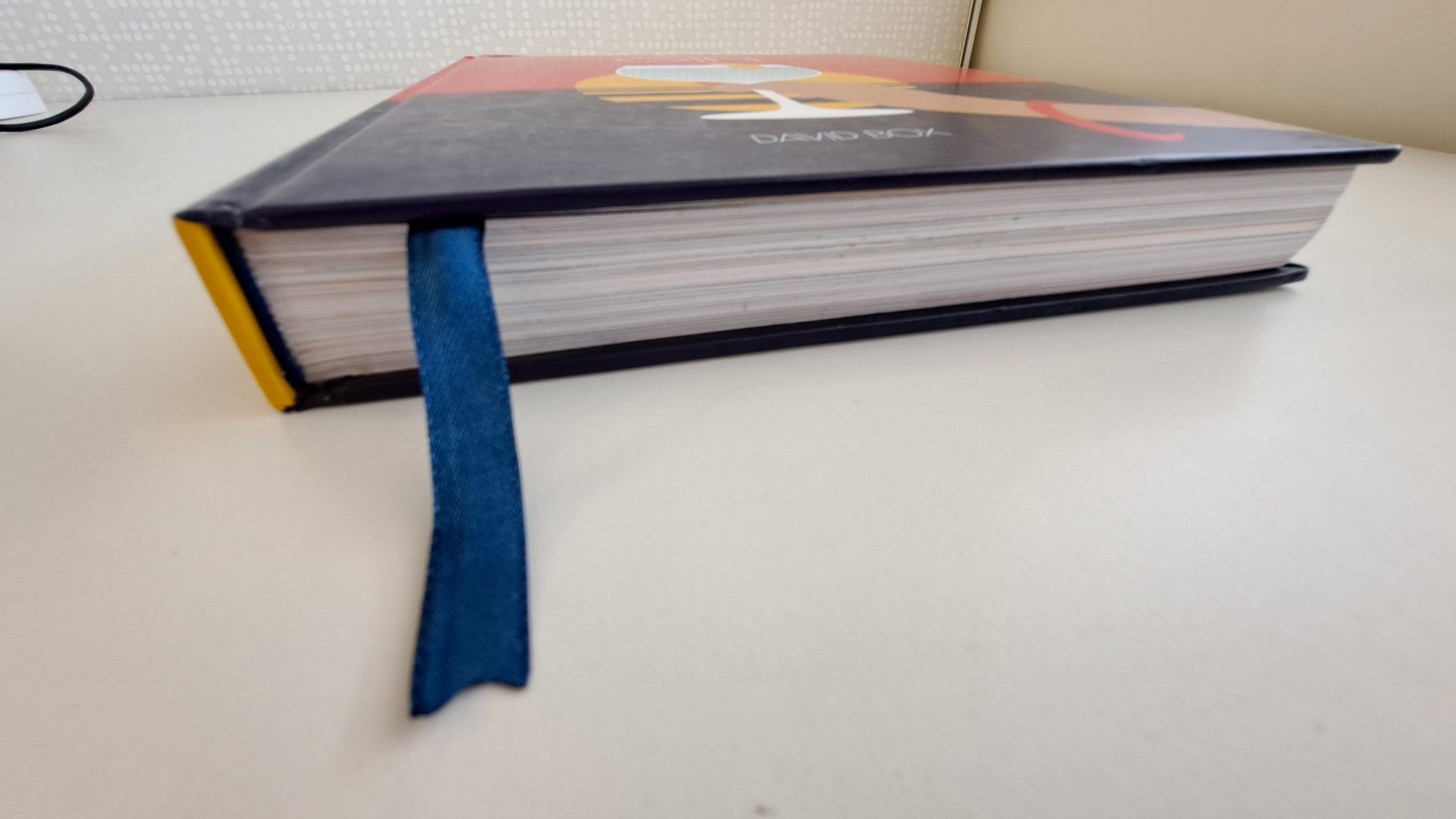
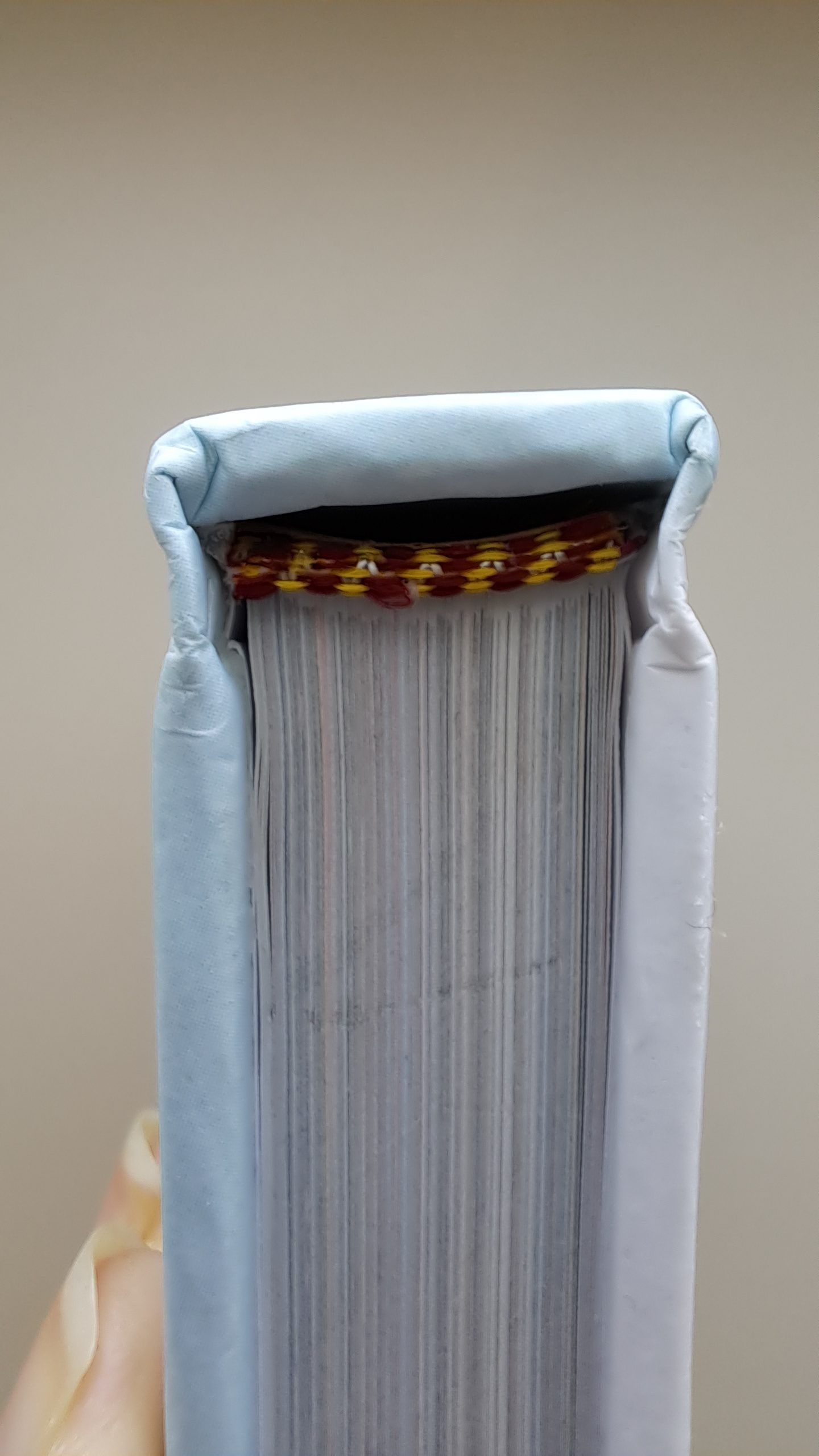
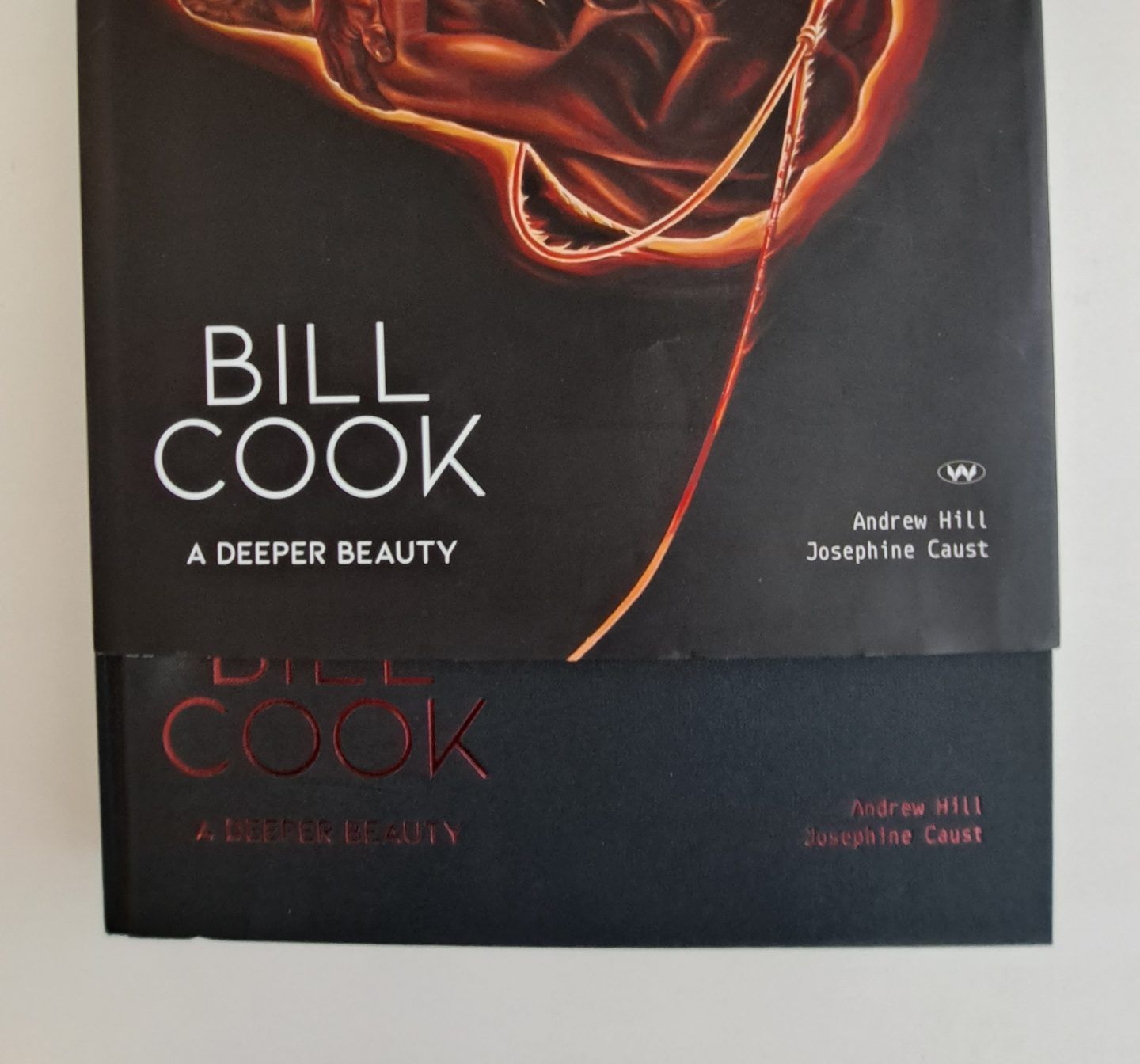
There are pros and cons to any book format. Casebound books have some great benefits over the other formats you could print your book in:
As with any book, casebound books do have their issues for readers and authors alike. It’s up to you to decide if the pros outweigh the cons:
Having a casebound version of a book is especially useful for publications that need to last a long time or have a high capacity for durability, but really any book can be casebound. It is very common for most genres of fiction and non-fiction to have a casebound version as traditional publishers release a casebound version of their books first to help maximise their profits.
If you are publishing your book traditionally, it’s likely that your book will have a casebound version as it is a standard procedure for these publishers. On the other hand, self-publishing authors need to be aware of the costs of printing casebound books and decided whether it is worth the cost (discussed a little later).
Otherwise, as a general rule, a book can be casebound if it has more than 30-80 pages. If your book doesn’t fit these specifications, check with your publisher or printer to see if your book is able to be casebound or have a think about other strategies, like making your book size smaller or adding more content.
As a general rule, paperback books sell more copies than casebound books. Paperback books are almost always cheaper for customers than their casebound counterpart and many readers prefer their lightweight nature. Casebound books, on the other hand, generally do not sell in as large of quantities, but they do generate higher returns on sale. This means that you don’t have to sell as many books to be profitable compared to paperback.
Many readers have their preferences for the kind of book format they like, and there are certainly a lot of them who will opt for a casebound book when given the decision.
The cost of any printing venture is highly personal and varies from project to project. This is because the cost of printing a book depends on many different variables, such as the quality of the print, the size of the book, and even the printer itself.
This includes embossing/debossing, foiling, spot-gloss, printed ends, and more. Applying one or more print finish will increase the cost of your book as it adds extra material and processes.


Certain types of binding are cheaper than others. Casebound books are more expensive than other binding types because the materials used in the production costs more to source. There are also additional processes undertaken by printers create casebound books.
The quality of the paper will dictate both how much the paper costs (higher quality = higher cost and vice versa), but it can also have an impact on freight costs as higher GSM paper is thicker and therefore weighs more.
Books with a smaller page count require less paper and are lighter, meaning they cost less both in the printing process and when it comes to freight.
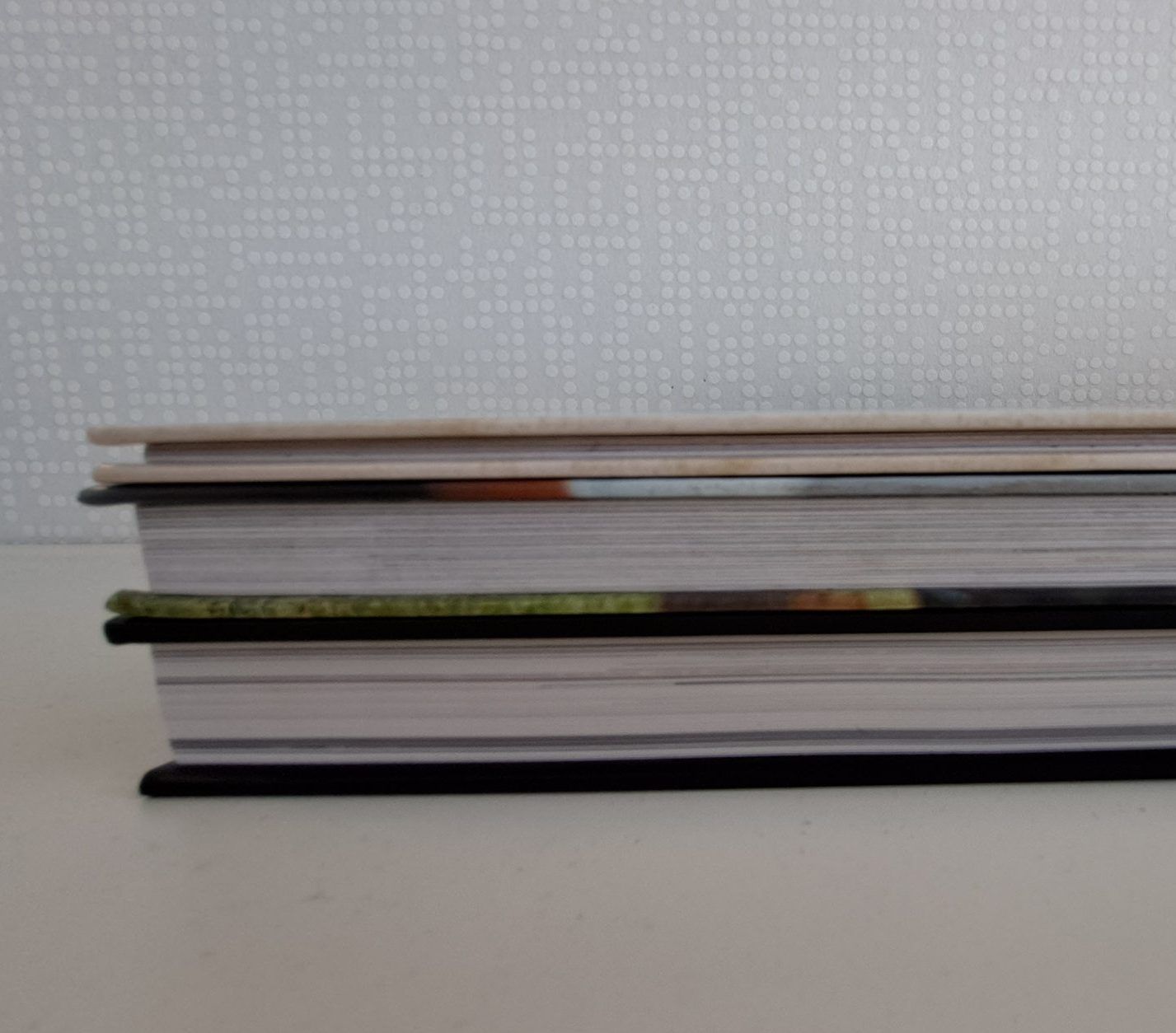
No two printers will give you identical quotes for a print run. This is because printers differ in factory (capacity) size, stock type and availability, and profit margins.
The location of a printer factors into the cost of printing for a few different reasons. Often, printing in countries like China will mean a cheaper price, but you’ll have to print in bulk and then pay for freight, which can also be quote costly. For our Australian authors, printing locally in Australia can cost more per book, but freight is often more affordable, and smaller print runs are available from most printers.
Organising a large (or bulk) print run will make the cost of printing a book cheaper per unit than they would be on a small print run. Choosing to print in bulk, however, means committing to a greater up-front cost.
The page you requested could not be found. Try refining your search, or use the navigation above to locate the post.
The page you requested could not be found. Try refining your search, or use the navigation above to locate the post.