No Results Found
The page you requested could not be found. Try refining your search, or use the navigation above to locate the post.


Self-publishing isn’t just for memoirs and family histories – it’s a fantastic option for fantasy novels, too! It offers a direct way for authors to share their unique and imaginative stories no matter how niche or controversial their topics may be.
 Estimated reading time: 6 minutes
Self-publishing offers a fantastic opportunity for fantasy authors. This approach is not just viable; it also provides numerous advantages. Let’s explore some reasons why:
Fantasy writing emphasises detailed world-building and character development across multiple books. As a self-published author, you have complete control! You decide the length of your series, control the pacing, and bring your creative vision to life without restrictions.
Unlike traditional publishers that often impose limits on series length and story changes, self-publishing lets you carve your own path. Picture creating a vast fantasy realm filled with rich histories and diverse cultures. Self-publishing empowers you to connect every aspect of your story seamlessly, keeping readers captivated by your attention to detail.
Creating a series of fantasy book over a standalone also helps build a loyal fan base. Readers love diving into ongoing adventures, and you can keep them engaged with each new release.
Fantasy literature goes beyond just dragons and wizards; it’s a rich genre that embraces diverse themes and intricate narratives. Self-publishing empowers authors to explore niche or unconventional topics that often don’t fit the traditional publishing mould. Whether you want to blend fantasy with cyberpunk elements, delve into dark, morally complex characters, or explore controversial political themes through a fantasy lens, self-publishing gives you the creative freedom to do so.
This unique ability to break boundaries appeals to readers who are over having fantasy gatekept and instead crave fresh perspectives and original storytelling. Additionally, niche topics often attract dedicated audiences. By engaging with these communities, you can build a loyal readership that champions your work and shares it with others.
Still unsure if self-publishing your fantasy novel is the right choice? Have a look at some inspiring success stories of other fantasy authors who started their journey self-published:
Will Wight’s Cradle series shines as a prime example of how self-publishing can achieve massive success. Wight used Amazon’s Kindle Direct Publishing (KDP) to launch his epic fantasy series, which were his debut novels. With engaging characters and a captivating storyline, he captured the hearts of fantasy fans worldwide and became a New York Times and Kindle best-selling author.
Wight consistently released new content and actively engaged with his audience on platforms like Reddit. By connecting with readers directly, he built a passionate following eager for each new instalment. The Cradle series consistently ranks high on Amazon’s charts, proving that self-publishing fantasy novels can lead to substantial financial rewards.
Sarah J. Maas’ Assassin’s Blade novella is a remarkable success in the fantasy genre. While most know her for her more recent achievements in traditional publishing, Maas started out by publishing stories online, independent of any publisher. These stories gained so much readership interest, she later gained a traditional publishing deal for her now-acclaimed debut Throne of Glass series.
This strategic choice allowed her to prove her story’s viability and readership long before a traditional publisher was on the scene.
Rachel Aaron’s Heartstrikers series is another prime example of successful self-publishing in the fantasy genre. By taking control of her writing career through self-publishing, Aaron created a captivating urban fantasy world filled with dragons, magic, and intricate plots. Her commitment to high-quality storytelling and effective marketing strategies built a loyal fan base and earned a host of positive reviews on platforms like Goodreads.
The Heartstrikers series not only showcases Aaron’s talent but also highlights the growing opportunities for self-published authors in today’s competitive market. This success story shows how writers can carve out their niche, engage readers, and thrive as independent authors.
World-building is the backbone of any fantasy novel. Readers crave rich, immersive environments they can lose themselves in. Take the time to flesh out your world’s history, geography, cultures, and magic systems. However, consistency is key – ensure your world adheres to its own rules and logic.
Investing in world-building not only enhances your story’s depth but also lays the foundation for future instalments. Readers who connect with your world will eagerly anticipate returning to it with each new book.
Never underestimate the importance of a captivating book cover in attracting readers. Your book cover is more often than not a reader’s first impression of you and your book, making it a crucial marketing tool. Collaborating with a talented and experienced book cover designer who understands the nuances of the fantasy genre can greatly enhance your cover’s appeal.
A well-designed cover should effectively convey the essence of your story and align with genre expectations without trying to say too much. Simple yet effective covers are best.
For the interior, there is more to it than simply putting words on a page. Typesetting and interior book design play essential roles in not only making your book attractive, but also in making your book an enjoyable reading experience and conveying quality and professionalism.
Fantasy storytelling thrives on epic sagas and interconnected narratives. To maximise your success, plan your book series from the very beginning. Create a detailed roadmap that outlines the main plot, character development, and key events. This strategic foresight helps you plant the seeds of foreshadowing for future instalments, keeping readers engaged and eager for more.
Engage with your audience by establishing a strong online presence – your author platform. Using your author platforms, join fantasy-themed forums, subreddits, and social media groups to interact with fans. On your own accounts and author website, share valuable insights into your writing process, offer behind-the-scenes glimpses, and provide sneak peeks of upcoming book releases.
Doing all of this promotes community interaction and loyalty, fostering a sense of belonging for readers. The more engaged your audience is, the more likely they are to promote your novels and keep coming back for future editions and sequels.
Writing a captivating novel is just the beginning; effective book marketing plays a crucial role in reaching a larger audience. By using marketing strategies, authors can significantly boost their visibility and connect with readers, maximising their book’s reach in today’s competitive literary market.
Visual content reigns supreme on social media. To effectively engage your audience, use eye-catching graphics, stunning book covers, captivating character art, and engaging videos. Platforms like Instagram and TikTok are perfect for showcasing your fantasy world with visually appealing content. You can use interactive posts, polls, and Q&A sessions to boost engagement as well, generating interest and readership loyalty.
Be sure to regularly share updates on your writing process and upcoming book releases. The key to keeping readers excited about your work is to establish a strong, consistent, and appealing author brand across your platforms.
Amazon’s Kindle Unlimited (KU) program offers a fantastic opportunity for self-published authors to boost their book’s visibility. By enrolling in Kindle Unlimited, authors let readers access their eBooks for free through a subscription service, significantly broadening their audience reach.
Participating in the KU program can also improve your book’s ranking on Amazon’s bestseller charts, making it more visible to potential buyers. This extensive reach introduces your work to new readers who might not have discovered it otherwise, ultimately increasing your book sales and loyal readership.
Contacting influencers in the fantasy community is a powerful way to boost your book’s visibility, allowing you to tap into their dedicated followers who value their recommendations. To get started, be sure to do your research to ensure the reviewer or influencer aligns to your marketing needs (there isn’t much use sending a fantasy novel to someone who only reviews non-fiction books!). When you’ve received interest and approval, then you can organise sending out review copies of your book to them or participate in author interviews and features on their platforms.
These collaborations often lead to increased exposure, positive reviews, and a growing readership. In turn, this helps to enhance your credibility as a self-published author and connect you with a larger audience who are passionate about fantasy novels.
The page you requested could not be found. Try refining your search, or use the navigation above to locate the post.
The page you requested could not be found. Try refining your search, or use the navigation above to locate the post.


Choosing the right book format for your child is as crucial as selecting the right book itself. Whether you want to foster a love of reading in your child, engage students as a teacher, or attract young readers as a self-published author, the format plays a significant role. Different age groups have unique needs regarding books, and picking the appropriate format can greatly enhance the reading experience.
Estimated reading time: 8 minutes
If you have a toddler at home, you know how much they love to explore their world with all their senses. That’s where board books become essential. Designed for little hands, these sturdy books suit young readers perfectly and are ideal for early childhood development. They can engage toddlers and encourage a love for reading from an early age.
Board books offer high durability, making them perfect for babies and toddlers who may not handle their belongings gently. They’re easy to grip and feature thick pages that little ones can turn easily. Ideal for early childhood reading, board books nurture a love of literature from a young age while withstanding the wear and tear of daily use.
When selecting the perfect board book for your child, prioritise bright colours and simple, engaging illustrations. Interactive features such as lift-the-flap designs and textured surfaces keep your little one entertained, but can be expensive to print, so consider your budget ahead of time. Additionally, books with repetitive text and rhymes not only captivate young readers but also support language development.
As children grow, their reading needs evolve significantly. For preschoolers just beginning to grasp the concept of stories, picture books serve as an ideal choice. These engaging books can start to have more in-depth narratives than baby and toddler books, but still need vibrant images to help the child understand the narrative. By incorporating colorful illustrations and simple text, picture books lay a perfect foundation for early literacy development.
Picture books blend engaging illustrations and simple text that bring stories to life. These books play a crucial role in helping children enhance their vocabulary, understand story sequencing, and nurture a lifelong love for storytelling. By reading picture books, kids enjoy tales and at the same time build essential language skills that support their early literacy development.
When creating picture books for children, prioritise vibrant, engaging illustrations and straightforward but interesting storylines. Opt for texts that are short and simple, allowing the colorful images to convey the story and enhance early literacy to foster a love for reading in young readers.
When children enter kindergarten, they become primed for early readers. These specially designed books facilitate the transition from picture books to more text-heavy stories, supporting literacy development without throwing them in the deep end. Early readers play a crucial role in helping young kids enhance their reading skills and build confidence as they explore more complex narratives.
Early readers feature simple sentences and familiar vocabulary which helps children start reading independently. These books often include rhyming words and repetitive phrases, making reading fun and boosting confidence. Engaging stories and relatable language support literacy development in young learners.
When making a book for early readers, opt for large print with ample white space to make the text more approachable. Include illustrations, but keep them secondary to the text to aid comprehension. This approach helps young readers feel confident and engaged as they develop their reading skills.
Once children gain confidence with early readers, they are ready to transition to chapter books. These chapter books feature more text and fewer illustrations, serving as a vital bridge between early reading materials and more advanced novels. This progression helps young readers develop their skills and prepares them for more complex stories. Engaging with chapter books not only enhances literacy but also encourages imagination and critical thinking.
Chapter books play a crucial role in helping young readers build reading stamina and enhance their skills. They offer more complex storylines and characters that prepare children for longer novels. By engaging with chapter books, kids improve their comprehension and become confident readers, setting a strong foundation for their literary journey.
Focus on developing an easy-to-follow storyline with interesting characters. Because young readers have very few illustrations, remember to include ample description of characters, places, and items to engage the reader’s imagination and start developing this important skill.
Middle grade novels, aimed at tweens aged 8–12, serve as perfect gateways for young readers ready to explore more complex themes and engaging storylines. These novels seldom feature illustrations and require much more in the way of plot and characterisation than the previous book types discussed. Middle grade novels provide a substantial reading experience, helping tweens to develop critical reading skills while enjoying captivating narratives.
These novels help tweens enhance critical thinking skills and foster empathy through diverse characters and relatable situations. By presenting various perspectives, they encourage deeper engagement with literature, making reading a more enriching experience for young readers.
When writing books for tweens, focus on stories that feature strong, relatable characters and engaging plots that promote critical thinking and personal growth. Don’t be afraid to write a plot twist or two! Select age-appropriate themes that address real-life challenges a child of this age bracket may encounter (even if fantastical!).
The page you requested could not be found. Try refining your search, or use the navigation above to locate the post.
The page you requested could not be found. Try refining your search, or use the navigation above to locate the post.

Estimated reading time: 10 minutes
Illustrating a children’s book can be an exciting and rewarding undertaking, but it comes with some challenges. Effective children’s illustrations are not only charming and visually captivating, but also consistent with one another while interacting with and adding to the story.
If you go to a store and look through children’s book section you’ll see a variety of styles and tones. Some may be similar to each other, but all have their own take on the style that is uniquely theirs. When illustrating your children’s book, you need to decide and develop your own style.
One important factor in deciding your style is figuring out what medium you’re most comfortable working in. The first choice you need to make is whether you’ll be creating your illustrations digitally or through traditional means.
To digitally illustrate your book, you’ll first need the hardware and software to do this.
The advantage of illustrating digitally is that you can draw in layers and easily alter and re-do your pieces. You can also be sure that, if your artboards are set up properly, your illustrations will translate over well to print.
Conversely, the disadvantages may be the start-up cost and learning curve for illustrators who don’t already have the equipment and experience with digital mediums.
Hardware can include:
Deciding on which hardware best suits your purposes can be either personal preference or based on your finances. If you’re unlikely to use a dedicated drawing tablet again, it may be best to get an Android tablet or an Apple iPad which has many functions. If you’re wanting to really get into illustration or other digital art, then I’d strongly recommend doing your research and deciding on what hardware you’d prefer to specialise in.
Once your hardware is decided, you need to look into software. If you have an Android tablet, there are many different software options including Krita, Infinite Painter, Sketchbook, and more. For Apple iPad users, the most popular is Procreate, but there are others like Inspire Pro, ArtRage, Clip Studio Paint Ex, and more. Using a tablet with your PC the software options include Krita, Artweaver, Sketchbook Pro, Clip Studio Paint, and many more. Each vary in price and functions. It really depends on your personal preference and what you feel complements your style most.
There are so many options regarding traditional mediums. By “traditional medium” I mean physical, tangible mediums. This would include things like pencils, pastels, paints, crayons, and even felting and paper-craft. Illustrations created using traditional mediums will need to be scanned at a high quality and likely even edited in software such as Adobe Photoshop to make sure that they keep their original quality.
Deciding on which traditional medium you’ll choose is personal to what you’re comfortable with and your skill level.
The advantages of traditional medium that it is more accessible for most beginner illustrators as many of us would already have experience with one or more of these mediums. Also, it can be cheaper to purchase the materials needed in comparison to digital illustration equipment.
Digital
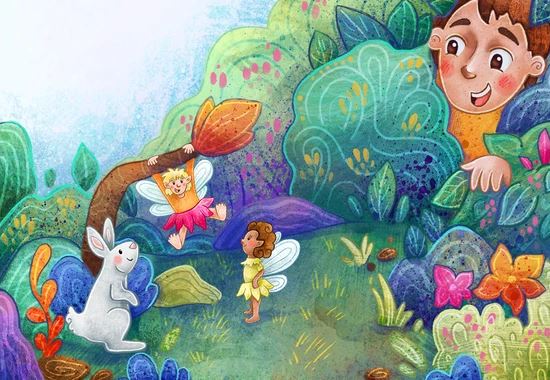
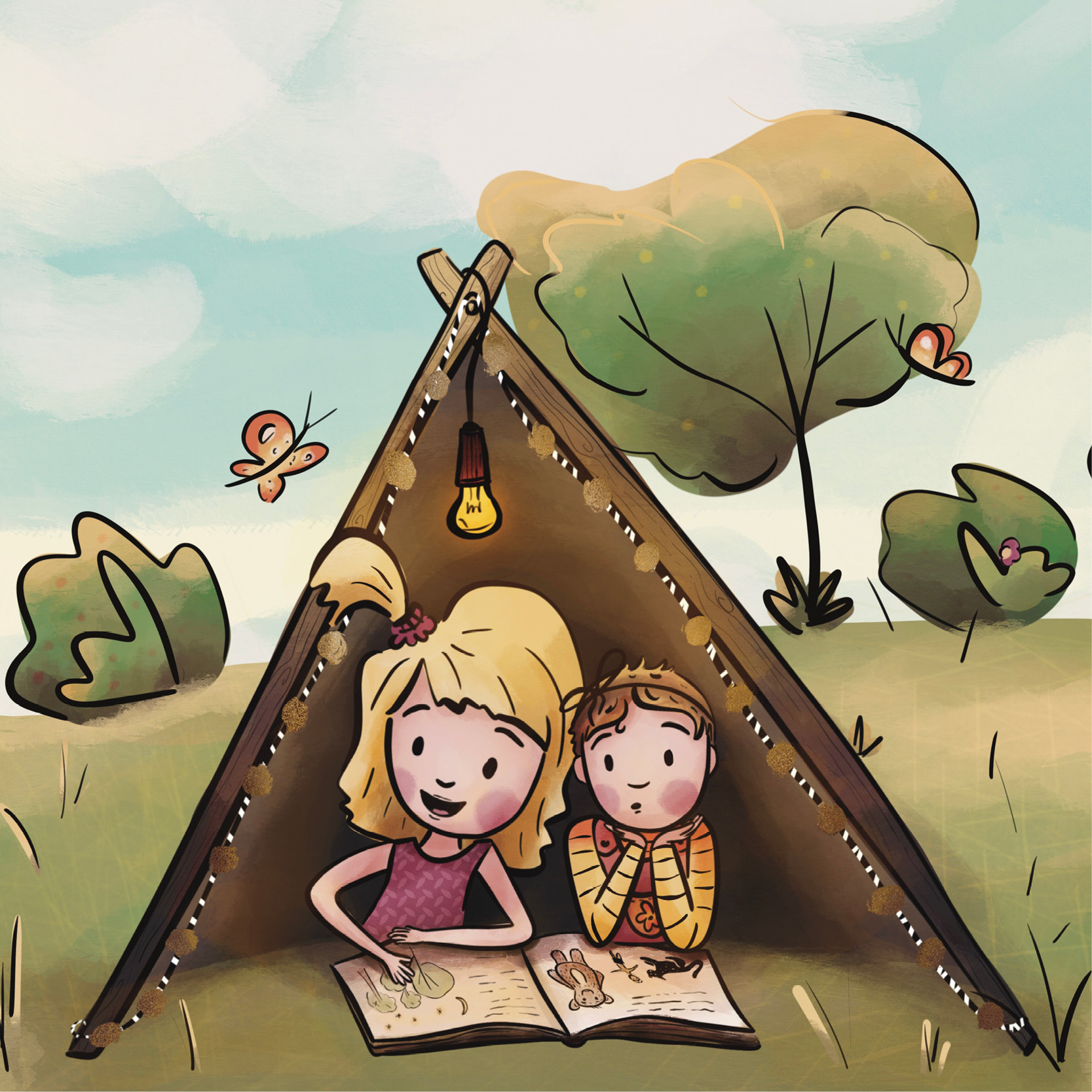
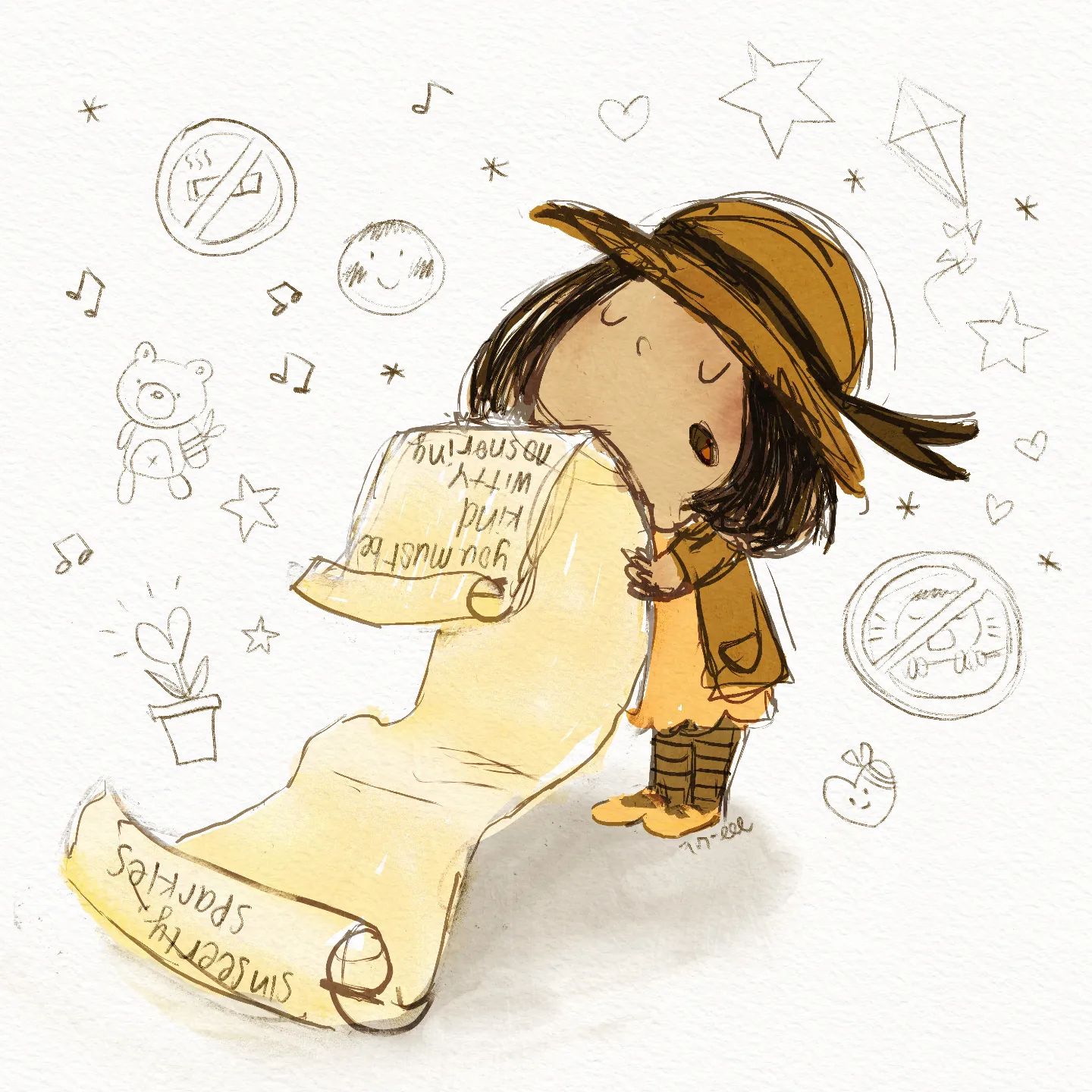
Traditional


To ensure that your characters look consistent and that your illustrations look professional, it’s a good idea to practice illustrating you characters beforehand. If your characters don’t look similar in each of their illustrations, it can look messy or be confusing for the children reading the book, effecting their reading experience.
A good exercise when practicing your characters’ illustrations is to draw them from different angles, with different expressions, and in different poses. It doesn’t matter if you don’t think you’ll use this in your book: what you’re looking for is consistency of style and a character who believably looks like the same person no matter what they’re doing. Be sure to use your preferred medium, whether that is traditional or digital, to ensure that all of your practise pays off and that you won’t have to restart all of your work on another medium.

One of the guiding principles of children’s illustrations is the idea of every element adding to the narrative in its own way. A common error of children’s books is that the text and illustrations don’t add to one another to build the narrative together, rather they just repeat each other.
For example, compare how the following paragraphs interact with the illustration to create a story:
The illustration:

Repeating the content:
Greg and his friend Penny the mystical woodpecker wanted to grow an apple tree from the core of the apple they’d eaten, so they went down by the river to dig a hole in the ground with their trowel to plant it.
Around them were colourful leaves and little white flowers all over the green grass.
Adding to the narrative:
Penny had a wonderful idea. ‘I know what we should do, Greg. Let’s plant our apple core and see if it turns into a tree!’
They searched the park and came across the perfect spot: a grove filled with all different kinds of enchanted trees.
‘Maybe if we plant our apple here, it will give us magical apples!’ Penny exclaimed.
‘What is a magical apple?’ Greg asks.
Penny thinks for a moment. ‘I’m not sure. Let’s find out!’
Remember: when illustrating a children’s book, your pictures should complement the text, not simply duplicate it. Repetition can be boring to read and take away from the impact of the illustrations.
A storyboard is a series of basic sketches that give an idea on the layout or elements for each illustration within your children’s book. It is a helpful tool when visualising what your book will look like and what elements you want in the illustrations before committing to the final illustrations. By mapping out your pages, you can play with different layouts and ideas to see what works best for your book.
Storyboarding is also important when considering your text, too. There needs to be a balance between illustrations and text. Do you want the text to be on the same page as the illustration? If so, then you’ll need to be sure to leave enough room for your text to fit, otherwise it may clash with the illustration and become hard to read. Alternatively, will your text be on its own page with the illustration on the page next to it? You may need to consider adding some interest to the text in that case, maybe some colour or a decorative font.
If illustrating your own children’s picture book becomes too daunting or your illustrations aren’t coming up as you’d like, then hiring an illustrator could be the way to go. Professional children’s book illustrators possess the skills, creativity, and experience that will help your book come to life. There are many children’s book illustrators out there with numerous styles to choose from. Illustrators can work off your storyboard too, creating a collaborative relationship between the two of you throughout the project and help make sure you are both on the same page.
Hiring a professional illustrator will help guarantee a quality product, ensuring that your book will stand out among its competitors in the market. At the end of the day, if your illustrations look amateur or inconsistent, it can reflect poorly on your book regardless of the quality or importance of the story. So, hiring an illustrator can be extremely beneficial for children’s book authors in the long run.
Green Hill works with a number of children’s book illustrators who are experienced at working with self-published authors. We’ve cultivated a portfolio of children’s book illustrators with a variety of styles of budget options to choose from to help ensure there is an illustrator for each author.
The page you requested could not be found. Try refining your search, or use the navigation above to locate the post.
The page you requested could not be found. Try refining your search, or use the navigation above to locate the post.