No Results Found
The page you requested could not be found. Try refining your search, or use the navigation above to locate the post.


 Estimated reading time: 5 minutes
Green Hill is always working to bring our authors the latest opportunities with affordable pricing. Historically, childrens board books were not something we offered as they simply weren’t viable for our authors—but this has changed.
Board books are a sturdy book and are typically produced young audiences of around 0 – 5 years of age. They’re made to be durable and better withstand rough handling, sticky fingers, and anything else that a toddler may subject to them. Board books differ from other types of books because their interior pages are made with a hard board material instead of the typical paper pages that are found in standard paperbacks and casebound books.
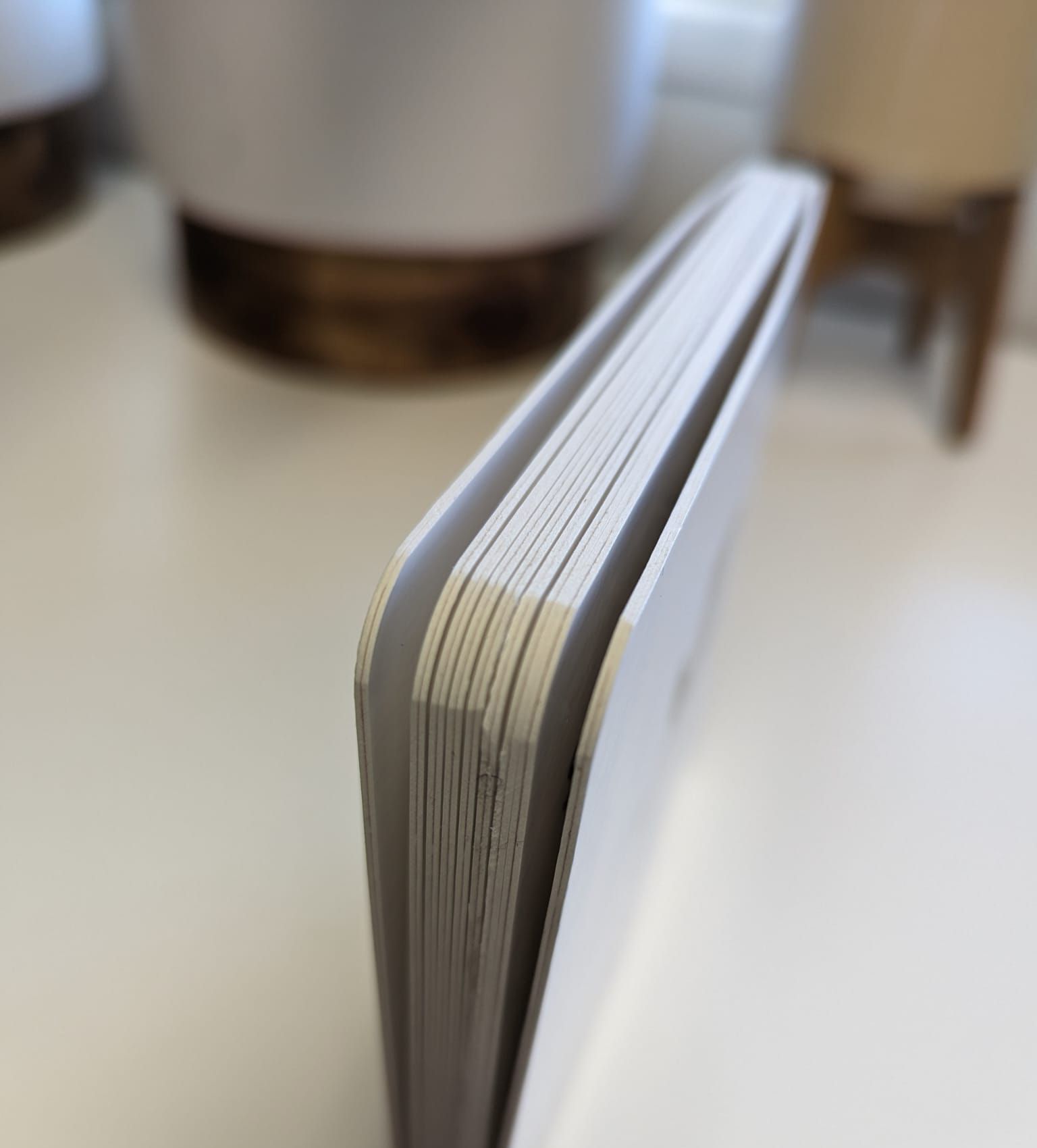
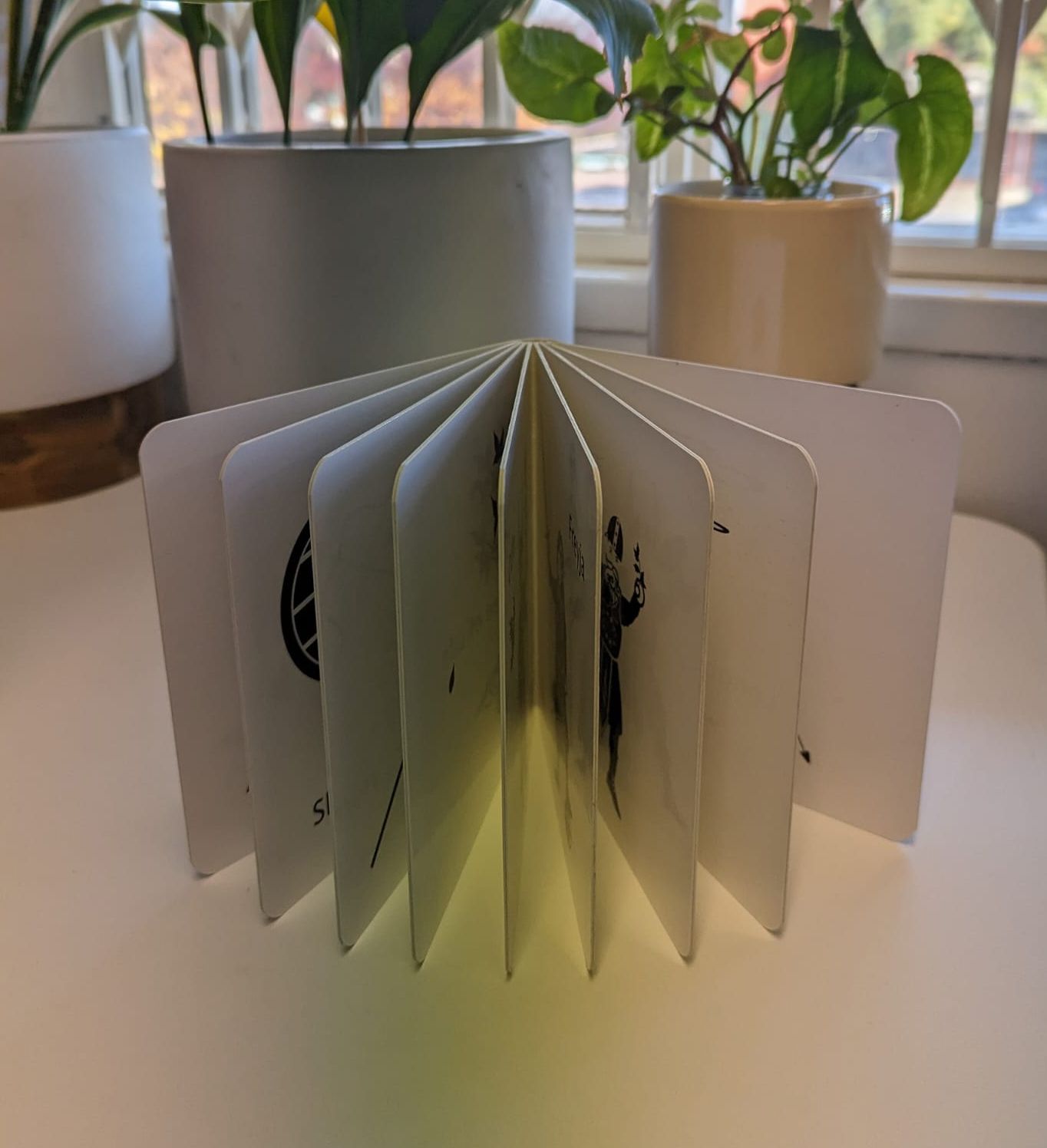

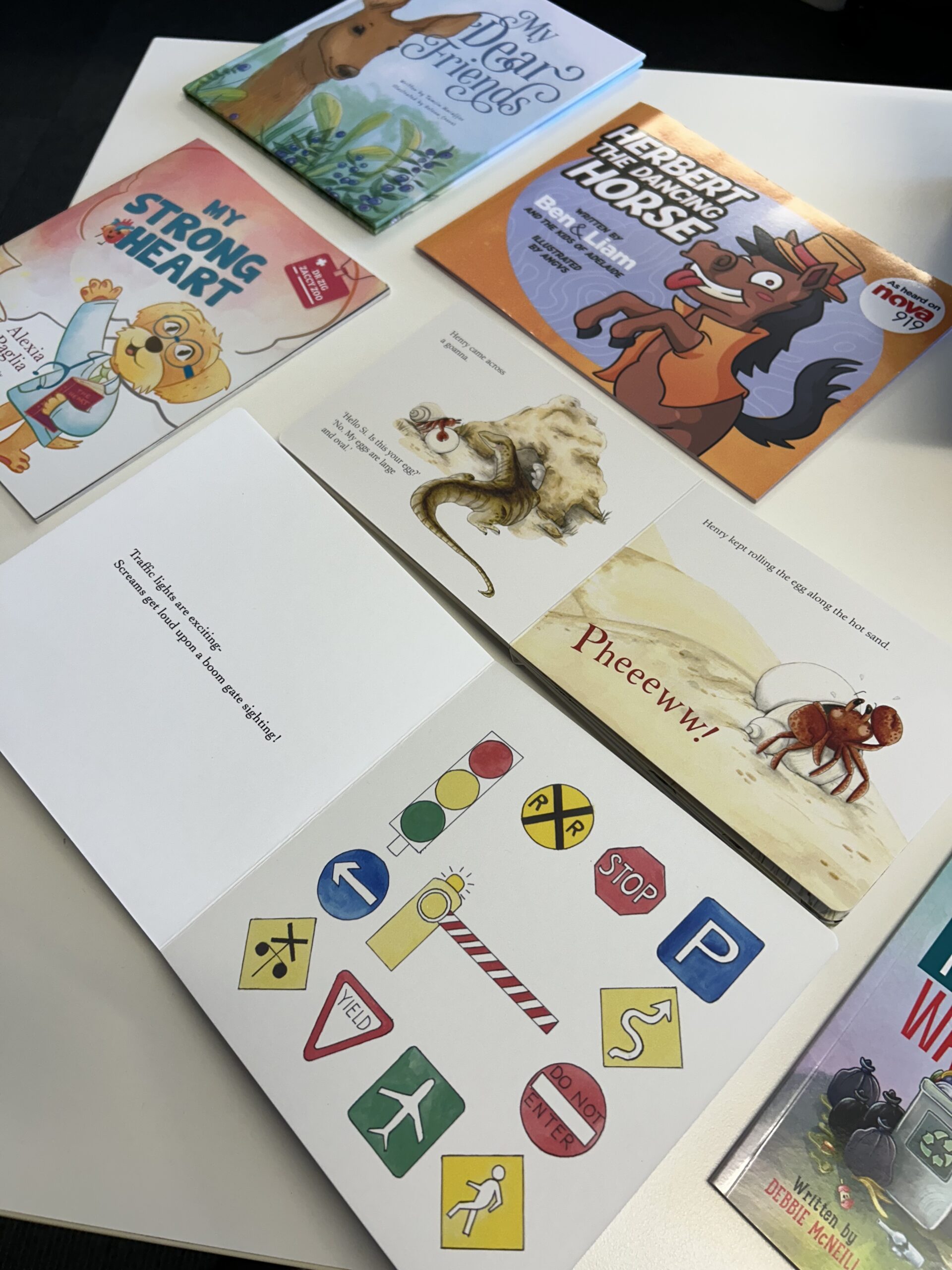
An obvious benefit to printing your childrens book as a board book is that they are longer lasting. This means that they have the capacity to be handed down through siblings and families, allowing your book to touch the lives of many little readers.
However, there are also numerous childhood benefits to producing your childrens book as a board book. It has been shown that young children benefit from the ability to interact with their books, and while they may be too rough to handle a standard paper-paged book, they can handle a board book much easier. Reading board books with toddlers is beneficial for parent-child bonding, building mental connections, and developing fine motor skills.
Recently, printing a childrens board book was not a viable option for our self-published childrens book authors; it required printing in bulk of 1,000+ copies at overseas printing companies.
Well, no more! Green Hill Publishing has found the solution.
Our childrens book authors wanting to print their books as board books can now enjoy a short-run printing option just like any other author printing paperback books. This newly available technology allows authors to print very short print runs of their books and still maintain an affordable price! We recommend beginning with runs of 200 – 500 copies of your book.
The page you requested could not be found. Try refining your search, or use the navigation above to locate the post.
The page you requested could not be found. Try refining your search, or use the navigation above to locate the post.


Estimated reading time: 4 minutes
The COVID pandemic has started to ease. But now it’s war in the Ukraine and tensions in the Middle East and Asia. You might think that as a self-published author in Australia you’ll be unaffected. But that’s not the case. Our present world has impacted on the cost of self-publishing a book.
For example some of our authors that we quoted on book printing 18 months ago, have been surprised that we can’t meet those prices any longer.
Here’s a quick update on where things are at.
Self-publishing companies have been hit hard financially. We’ve seen quite a few Australian suppliers leave the industry. A host of international publishers have disappeared as well.
This might seem tragic, but it has weeded out international book publishing scams and local small operators. Many of these operators – often one-, two- or three-person operations, simply couldn’t provide a full service or quality anyway.
Unfortunately, we’ve been contacted by a few Australian authors who have had their suppliers disappear. This was after they had made some payments. One author had their book design completed but because the publisher had ‘shut up shop’ was left stranded with no print and distribution. Ouch! The lesson is: stick with companies that are here for the long term.
Costs of self-publishing a book have been impacted by:
Green Hill has a great Asia based book printing solution. This gives authors opportunity to get quality books at a great price. But authors printing a book in Asia, while cheaper, have been impacted by the cost of getting the book to Australia. Freight has added to costs of self-publishing a book.
The page you requested could not be found. Try refining your search, or use the navigation above to locate the post.
The page you requested could not be found. Try refining your search, or use the navigation above to locate the post.

Estimated reading time: 3 minutes
Choosing the self-publishing route may make this seem like a daunting task, but through proper self-marketing and passion for your book it can be achieved.
Self-published authors take control of their sales and can sell their own books themselves. This is called self-selling. If you self-sell, you get the most profit from the sales of your books as you cut out the retailer’s margin. You can self-sell through avenues such as author websites, your personal business, on social media marketplaces, or through author events like launches and readings. Self-published authors can also easily sell through bookstores—both online and brick-and-mortar—by enabling their books for online distribution and pitching to bookstores to stock their books.
On the other hand, traditional book publishing companies will take your book under stringent legal conditions, then print and distribute your work through the industry’s established channels, including retail stores and online outlets. For all your hard work as the author, you might only get a small percentage (royalty) of the retail price.
So, how much more could you be making if you self-publish rather than using a traditional publisher? Have a look at the figures below:
If you get royalties through a traditional publishing deal:
- Print cost: $4.95
- Retail price: $14.99
- Your profit: 74 cents
If you self-sell:
- Print cost: $4.95
- Retail price: $14.99
- Your profit: $10.04
There’s a huge difference, as you can see. If you sell 200 copies of your book as a self-published author you can breakeven with your production costs, leaving any extra sales as pure profit.
The key to success when marketing as a self-published author is your network. Personal and author dedicated social media profiles are an excellent place to start. If you are a trainer, public speaker, consultant, or have any sort of profile within your potential readership target, you also have the capability of selling hundreds and hundreds of copies of your book at events, meetings, and seminars.
Green Hill can also help you out with marketing. We can write professional press releases, create stunning graphics, organise reviewers, and give you advice on how to best market your book. If this interests you, head over to our Marketing your book page to read more and get in touch!
The page you requested could not be found. Try refining your search, or use the navigation above to locate the post.
The page you requested could not be found. Try refining your search, or use the navigation above to locate the post.